
























Photogrammes, Photographic Research, and the Discovery of Photographic Three-Dimensionality: The 1970s in Gianfranco Chiavacci’s Photography
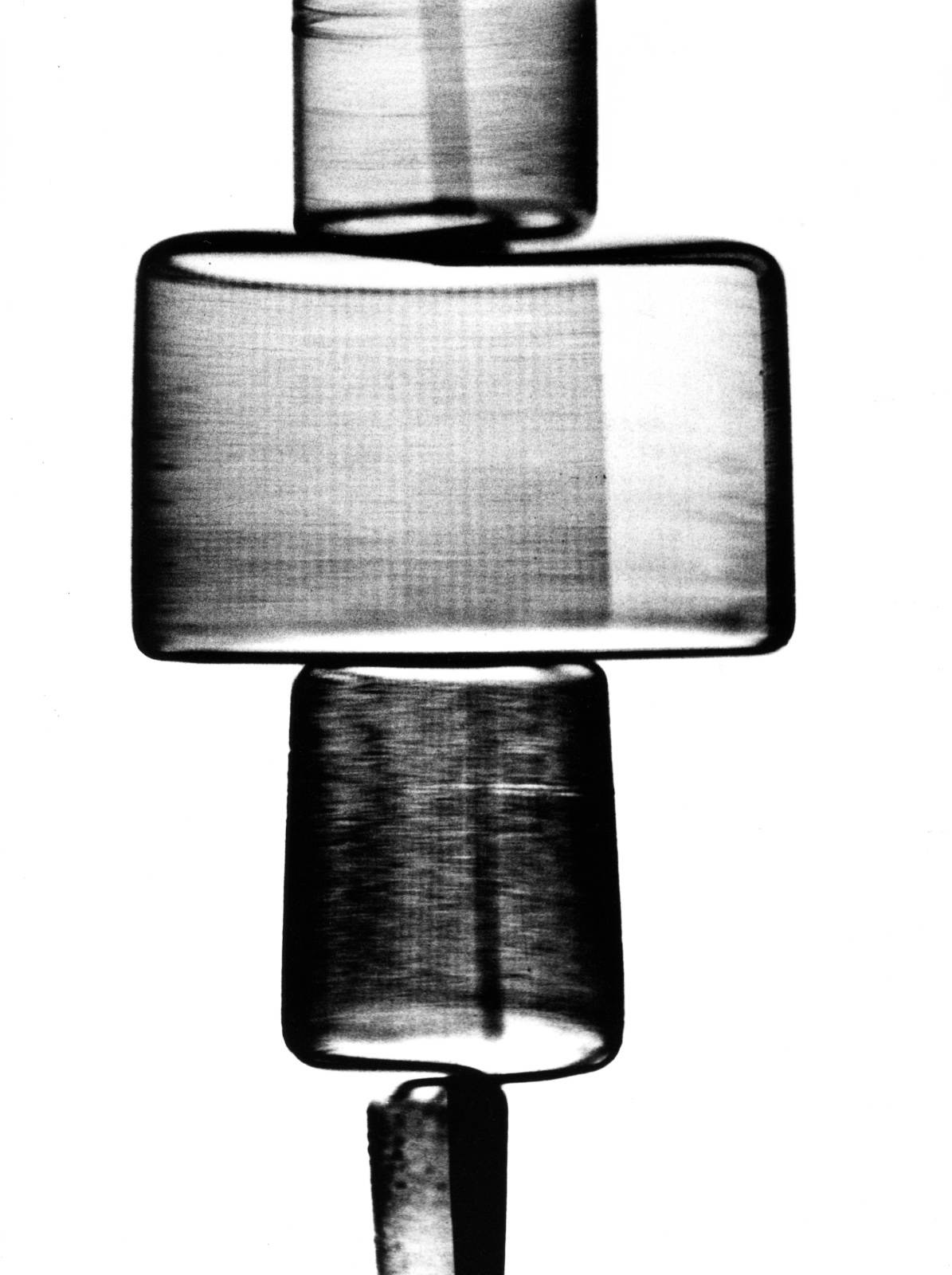
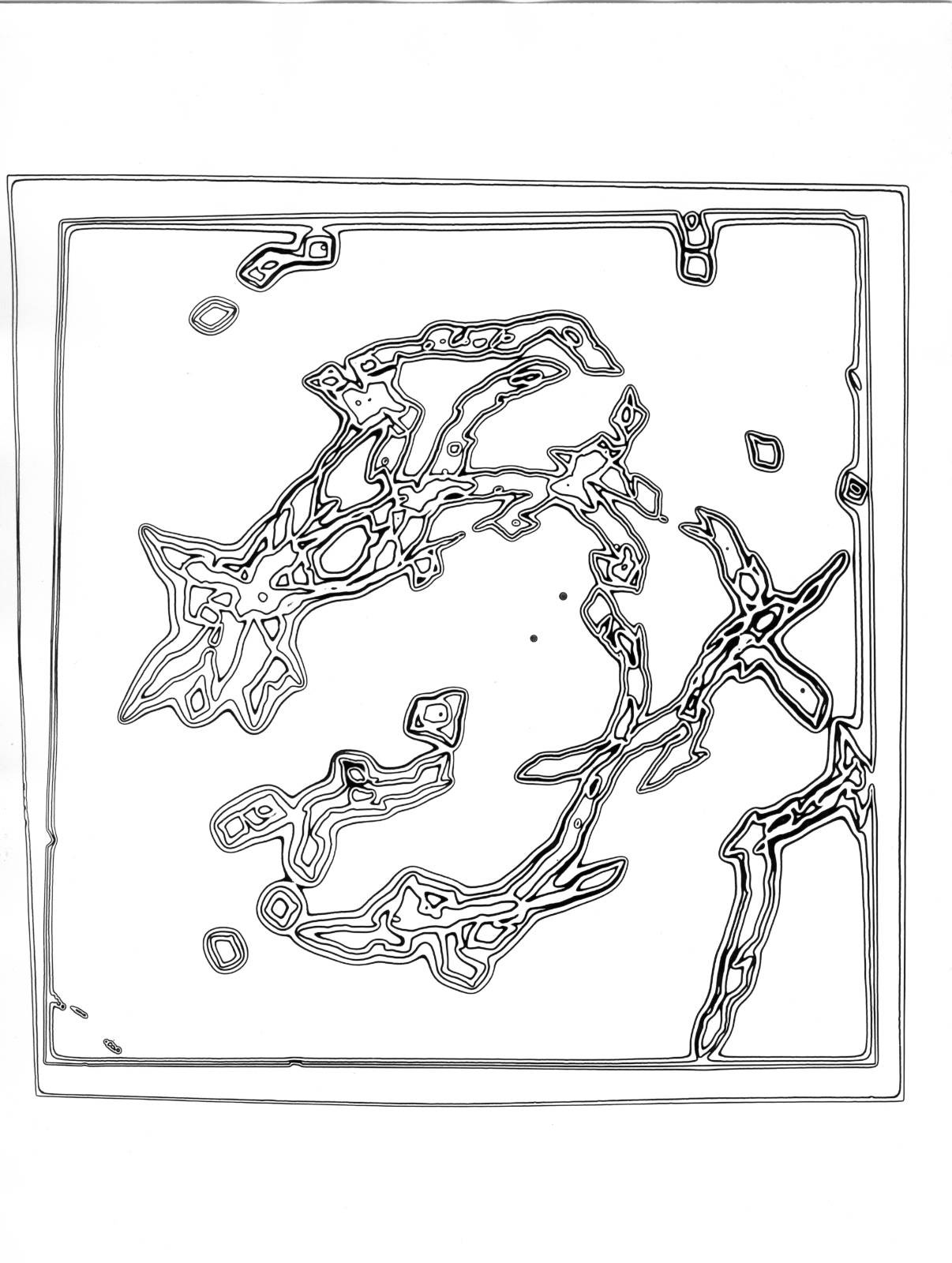
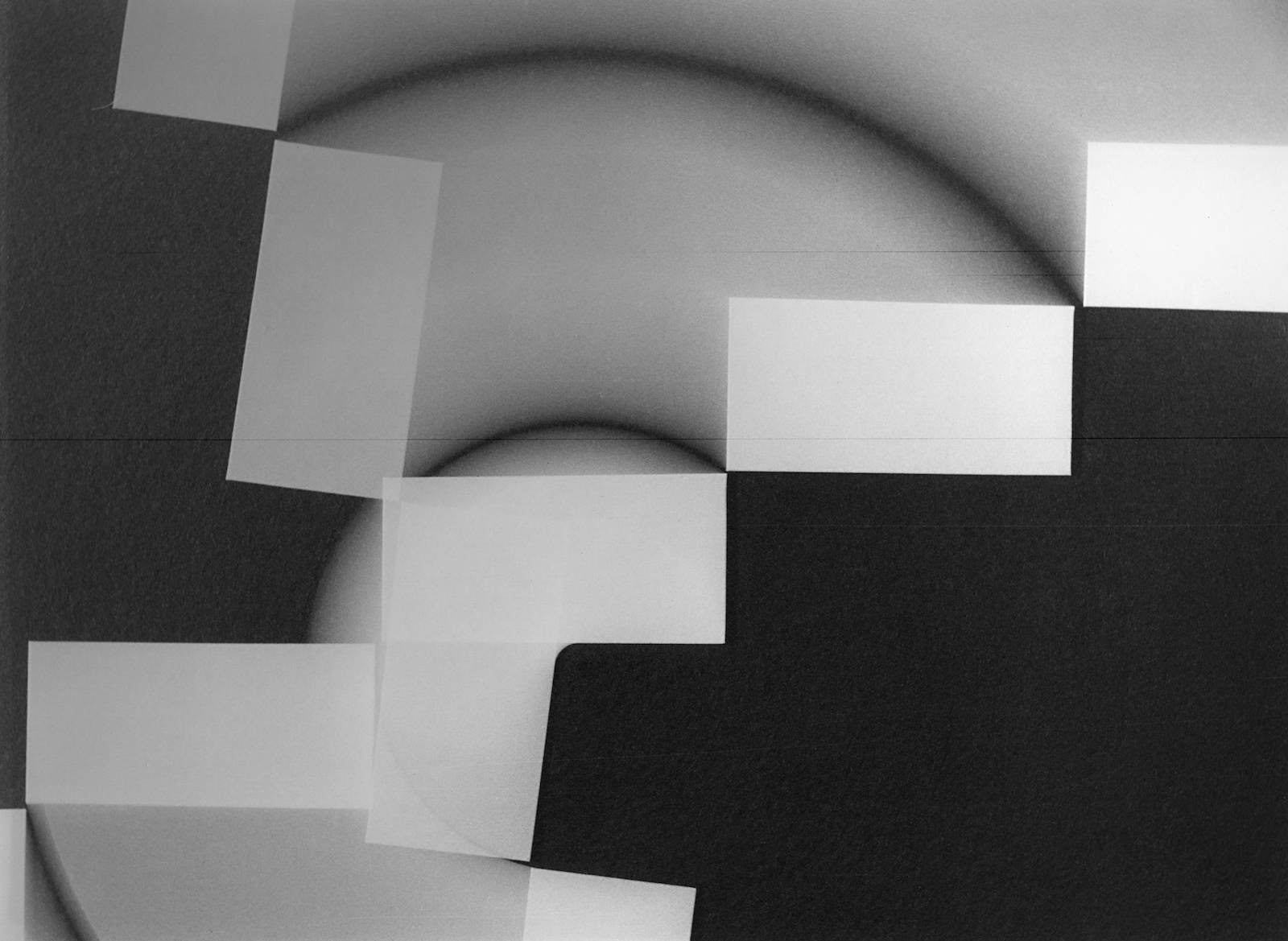
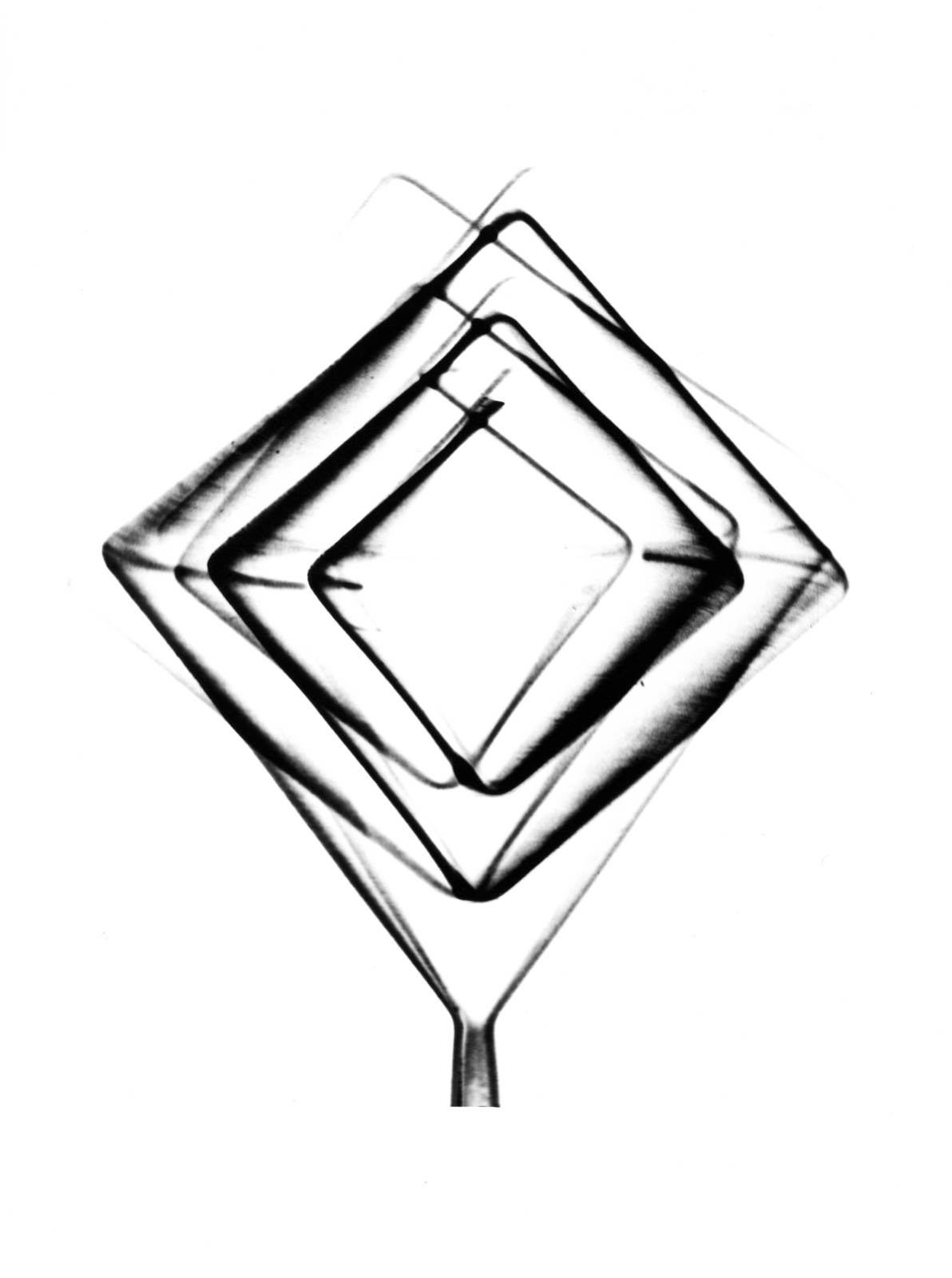
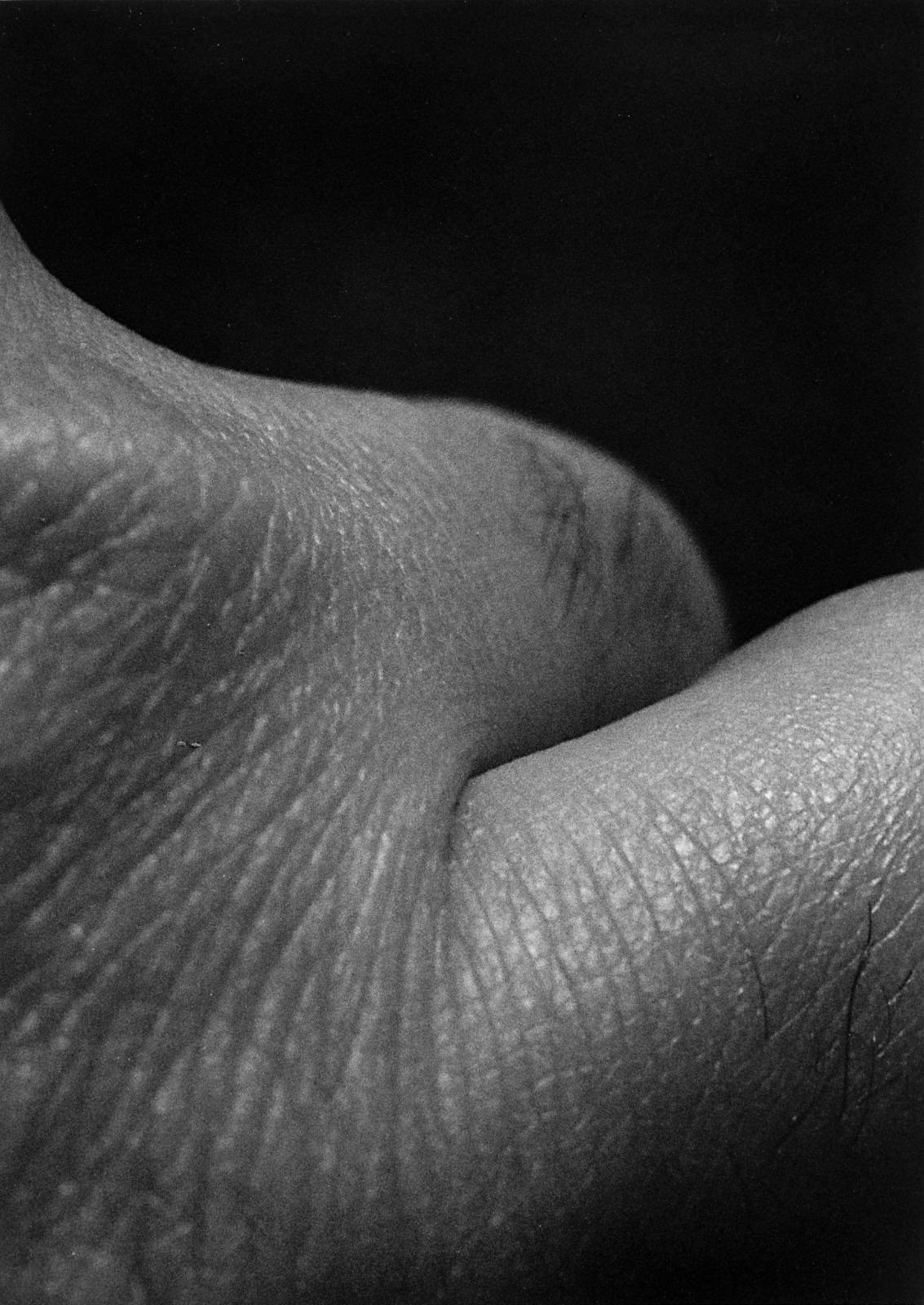
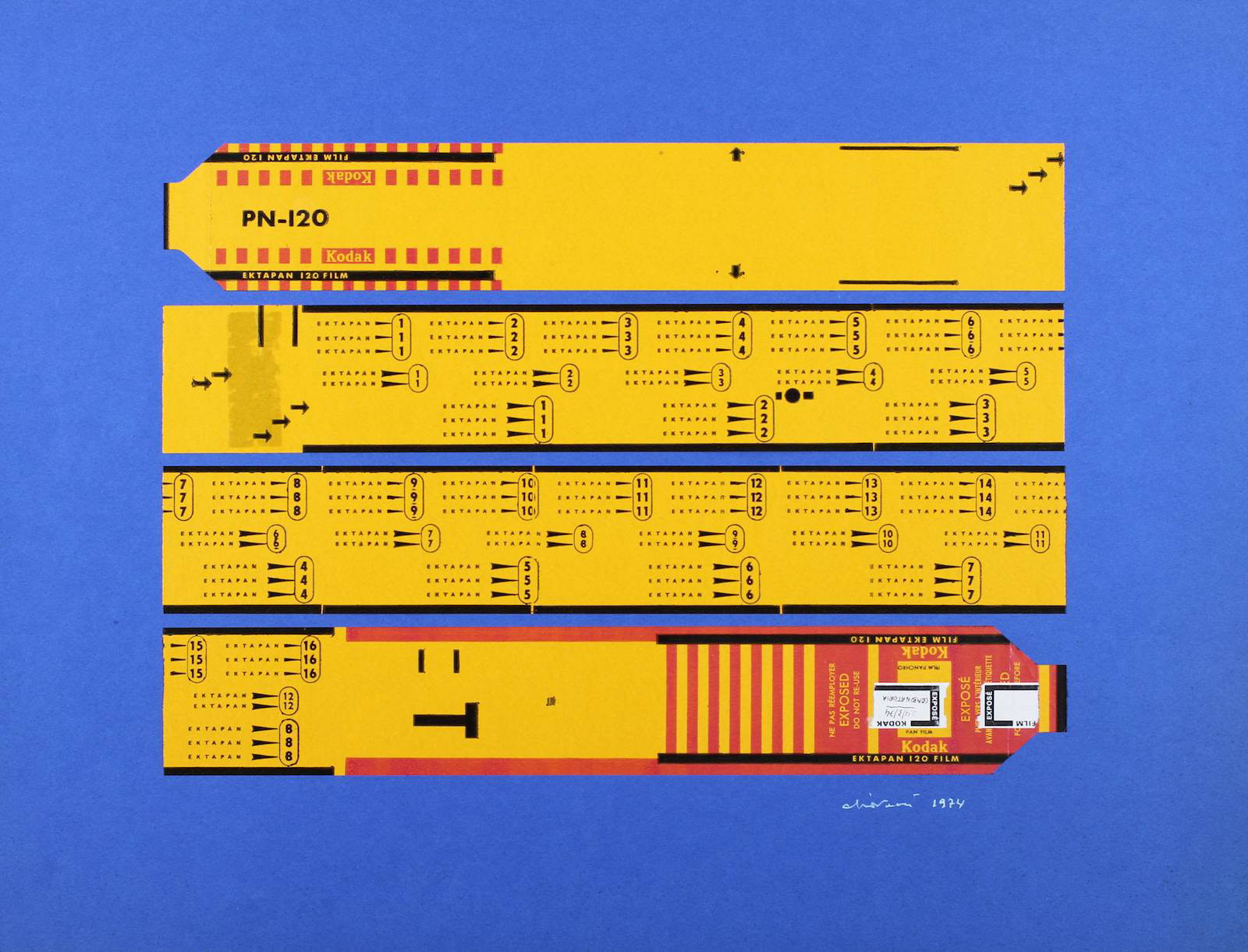
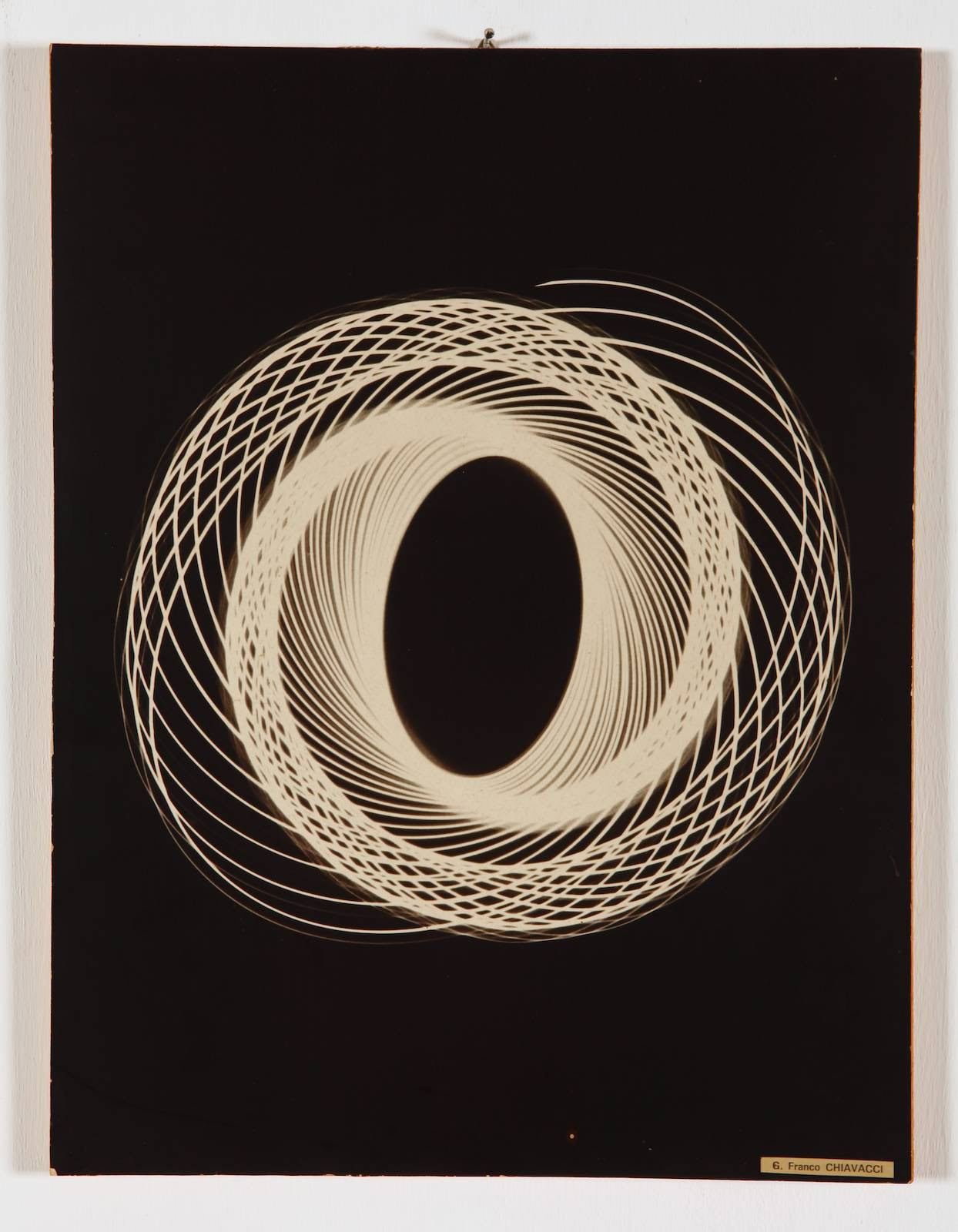
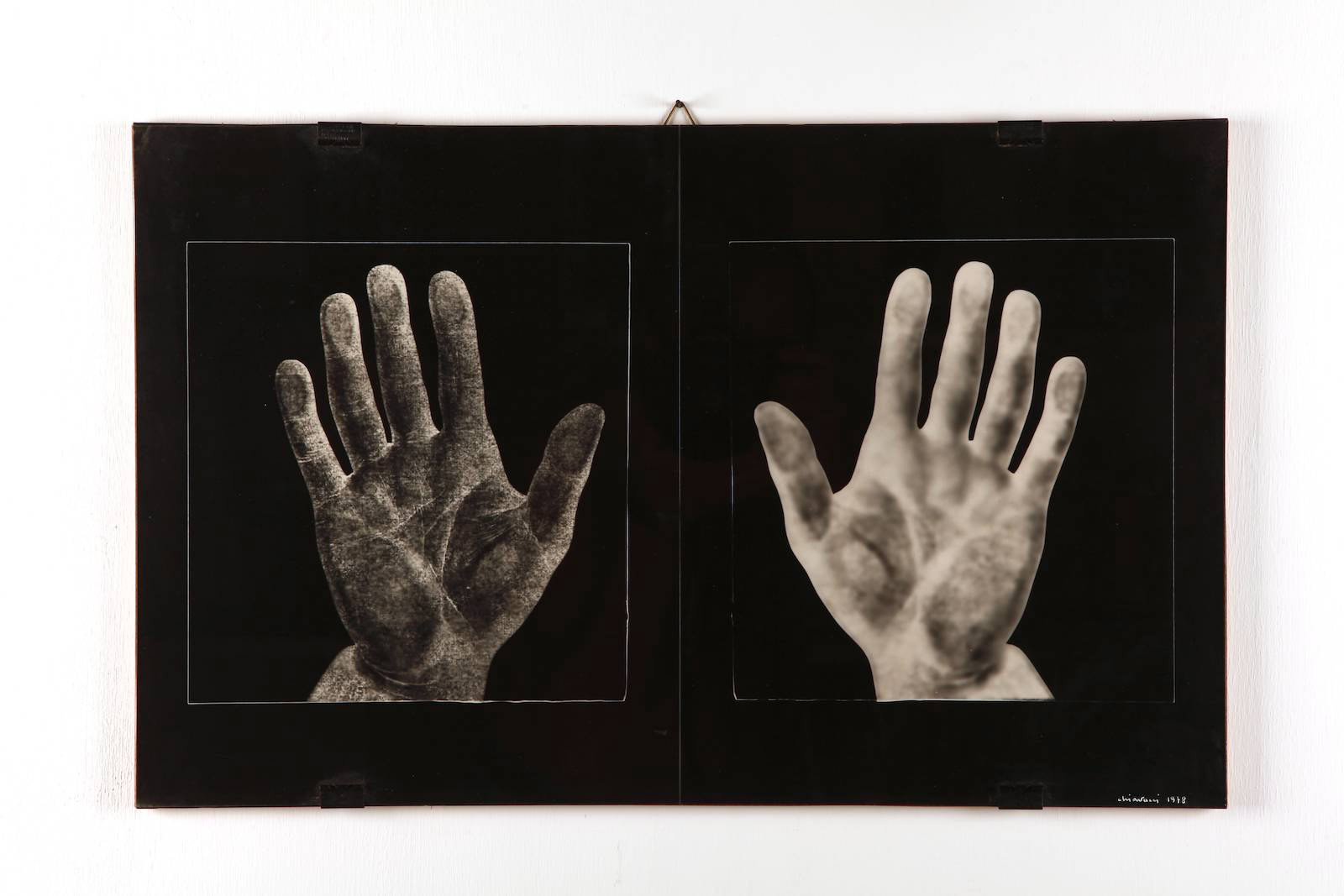
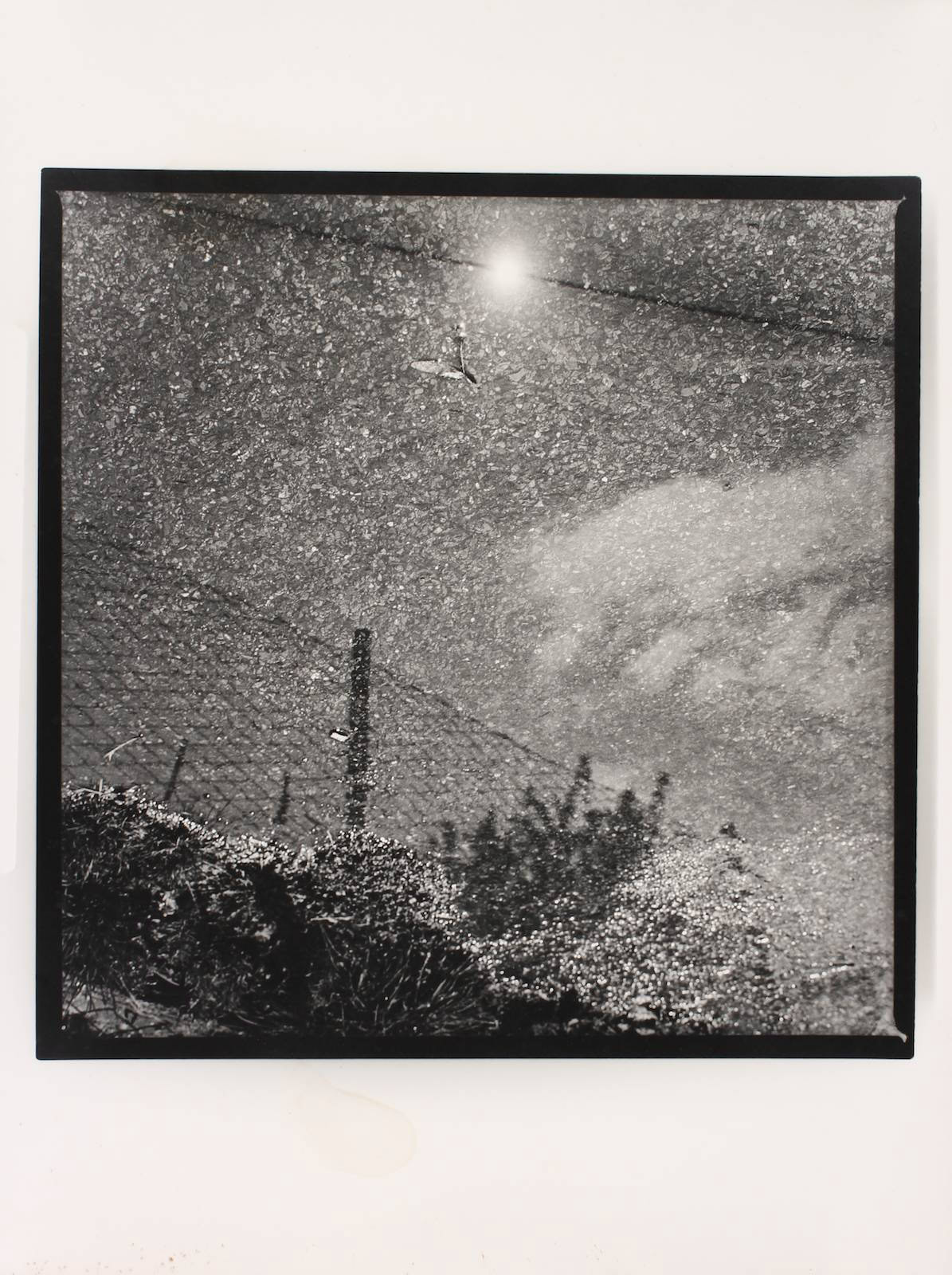
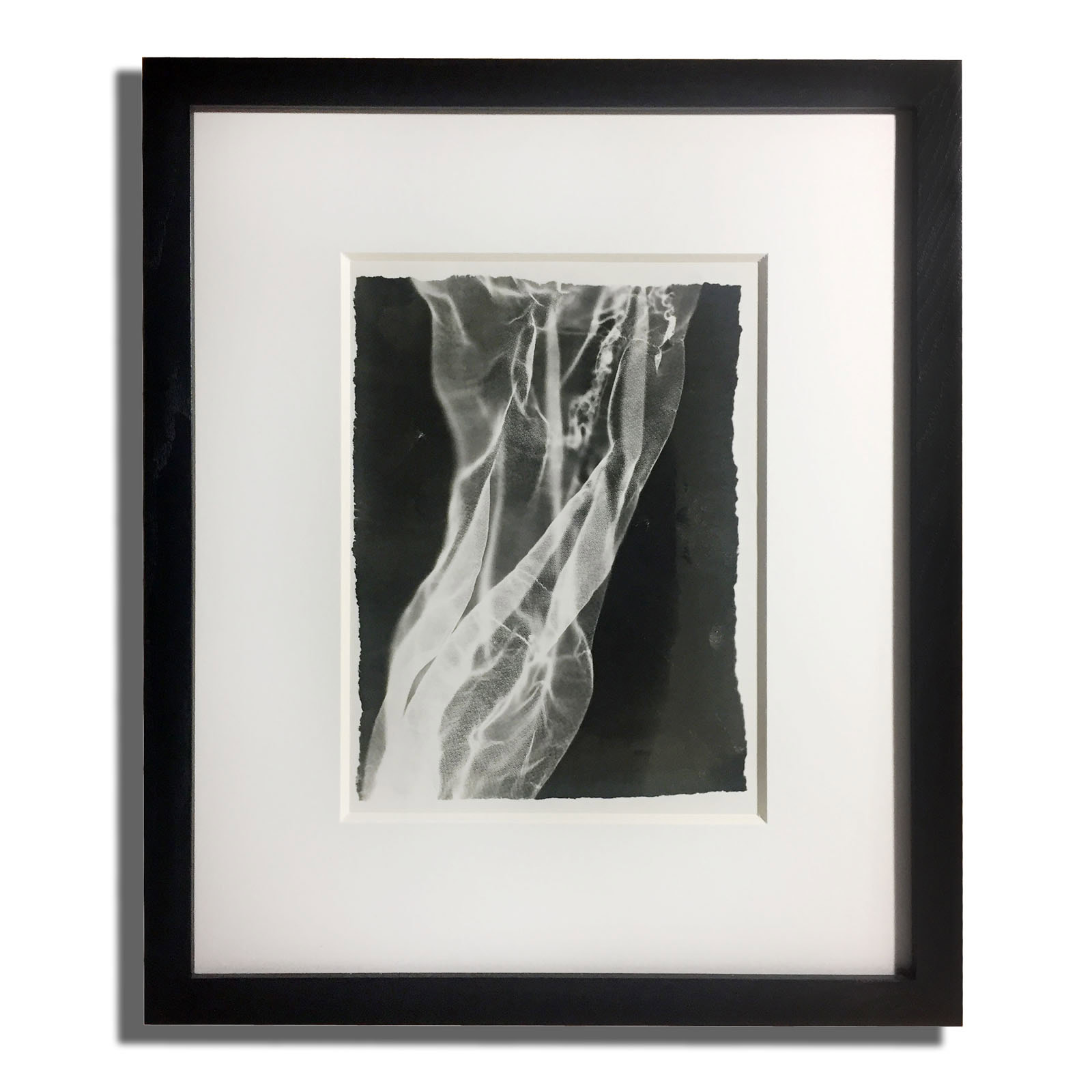
Gianfranco Chiavacci’s earliest photographic experiments to move beyond the documentary use of the medium date back to 1968, the year in which the artist produced two Photogrammes, works contemporary with the pictorial experiments of the Aerograforme. The parallel between the two lines of research is no coincidence: in the Aerograforme, liquid color sprayed onto three-dimensional elements positioned on black cardboard generates the mark at the point where the color does or does not reach; in the Photogrammes, produced in the darkroom following a well-known tradition — that of Man Ray, whom Chiavacci knew — it is light that does or does not reach the photosensitive paper, producing a negative image in which the areas covered by objects remain light and the exposed areas darken. The two Photogrammes remain, however, an episode of essentially experimental value: a first, intuitive foray into the binary relationship of light/non-light, not yet systematized.
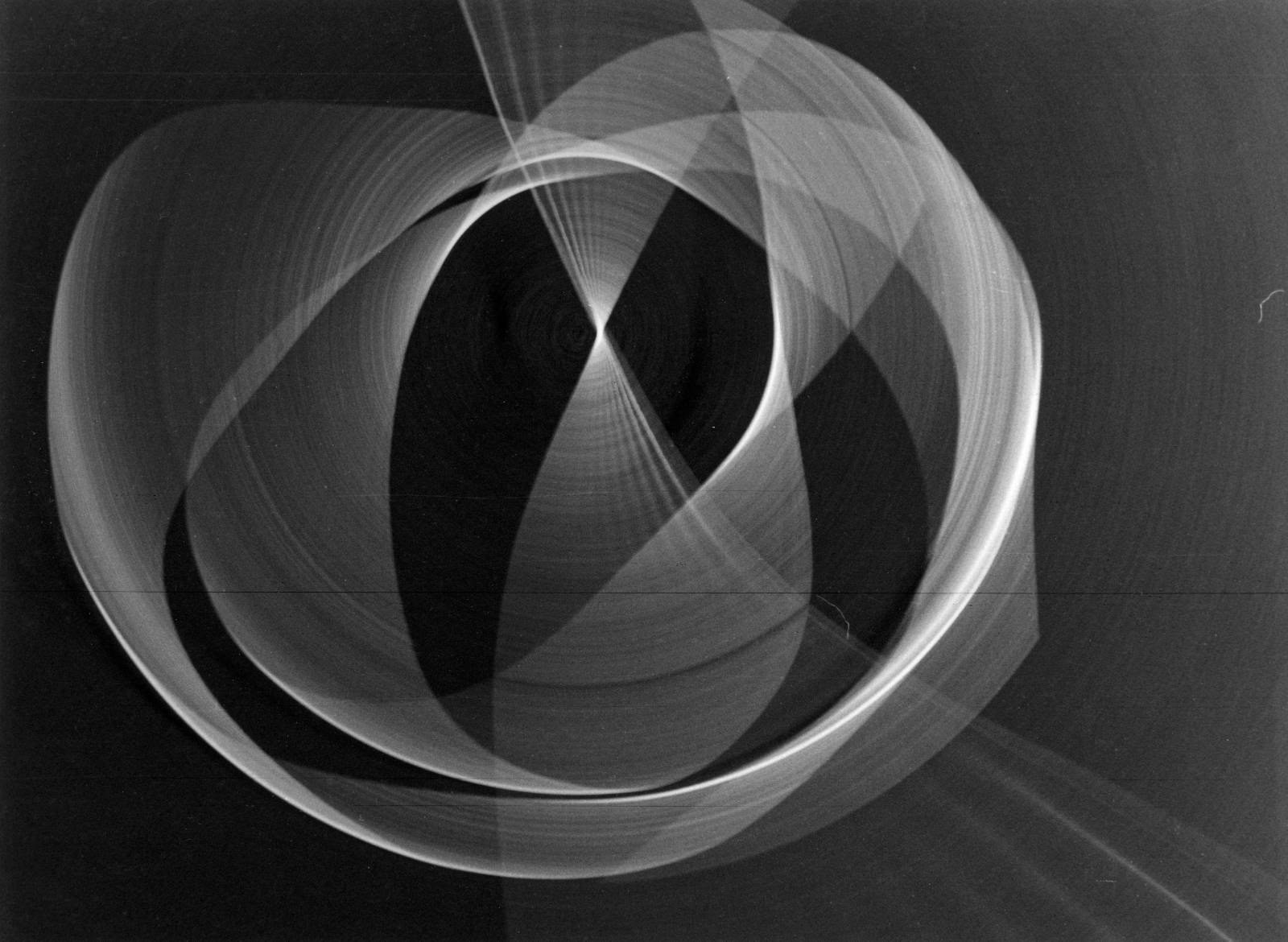
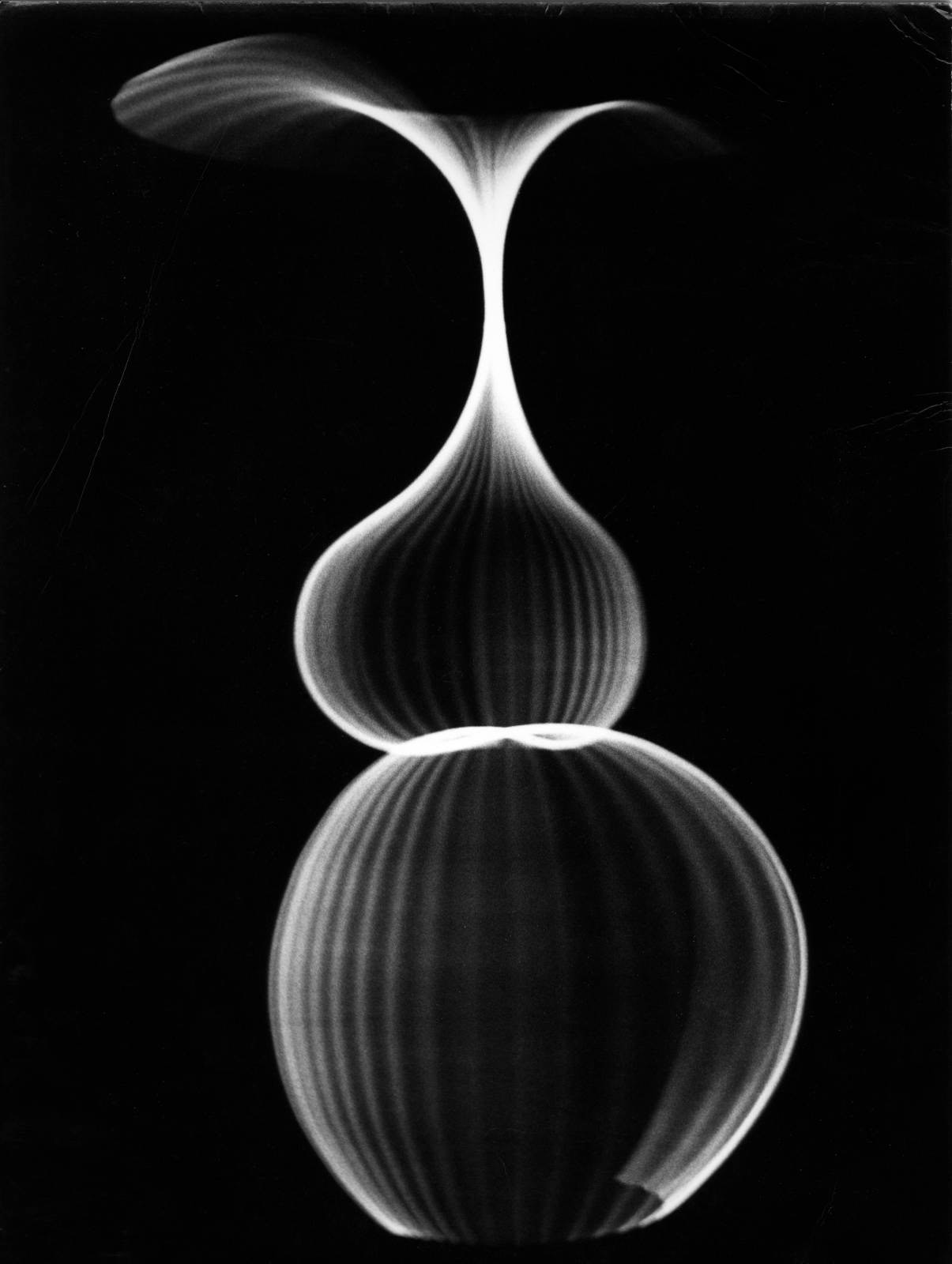
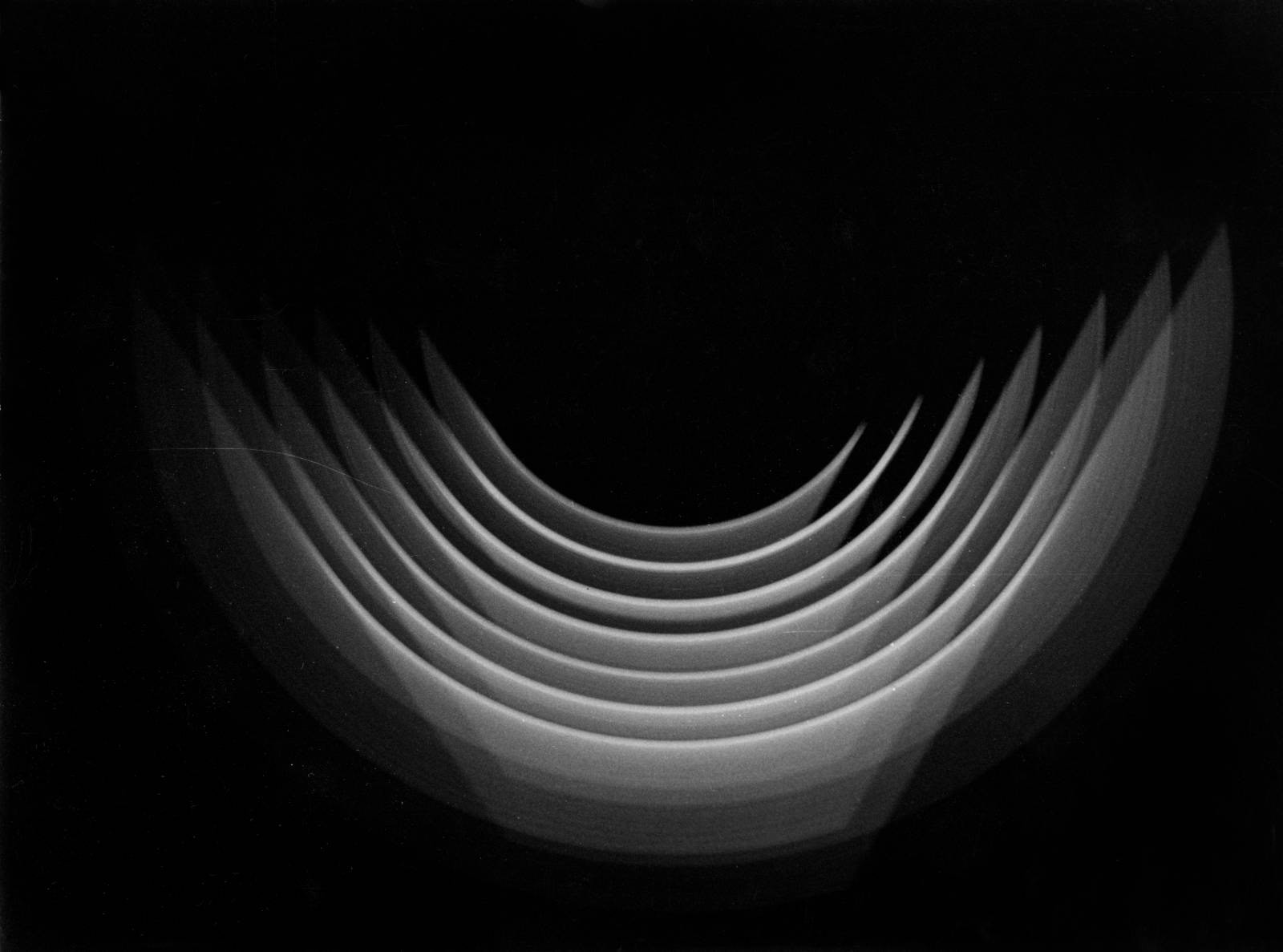
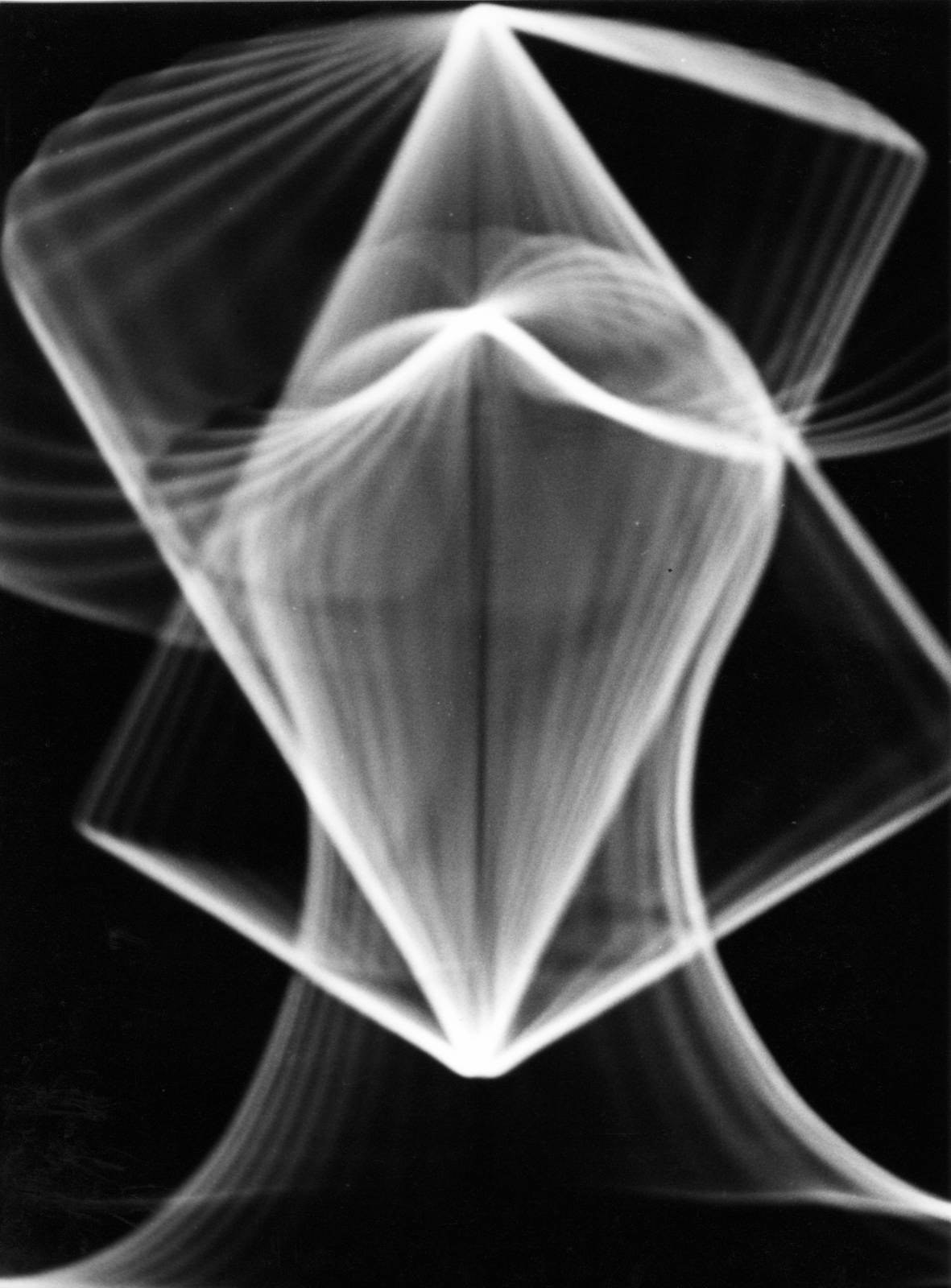
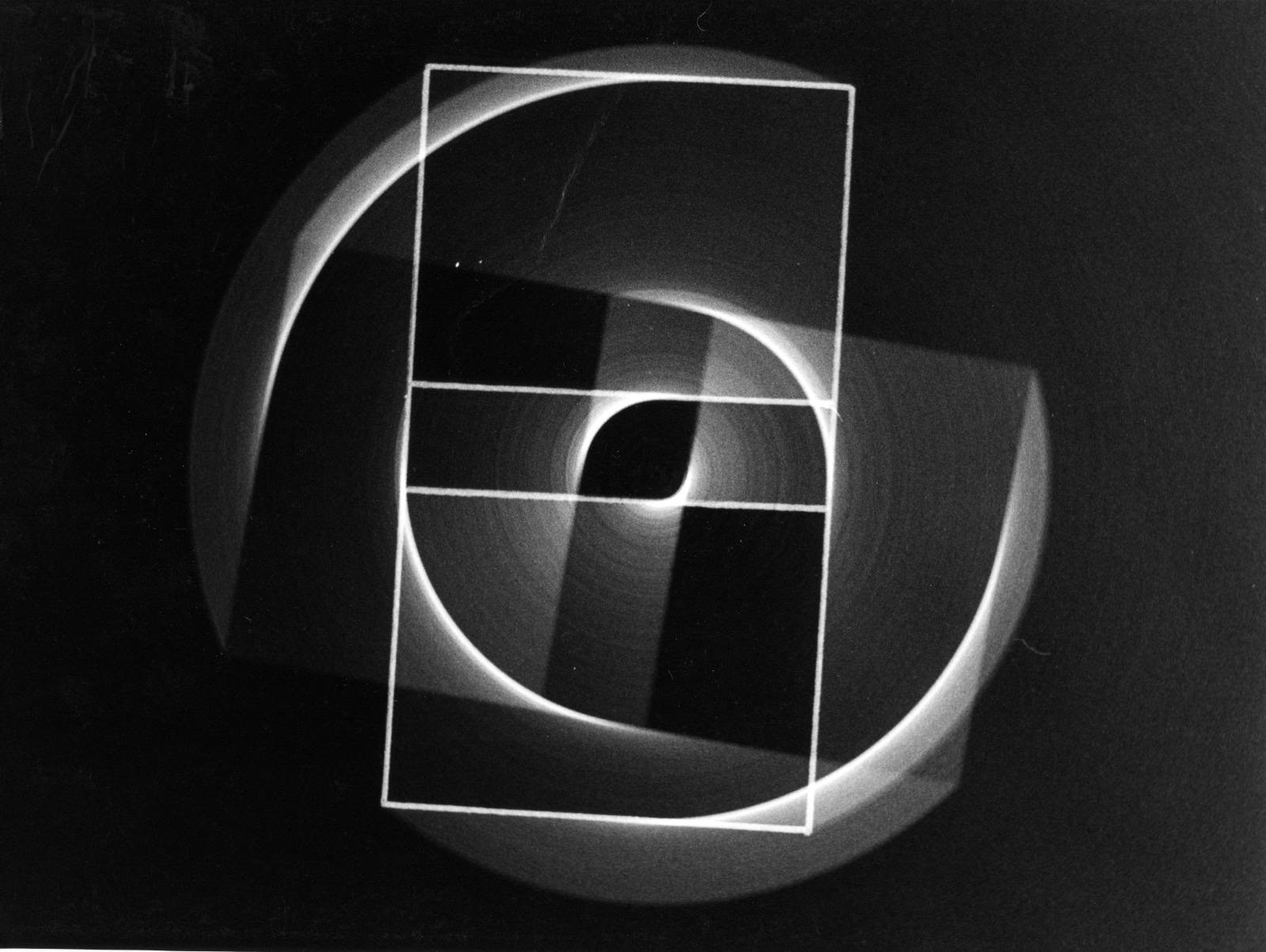
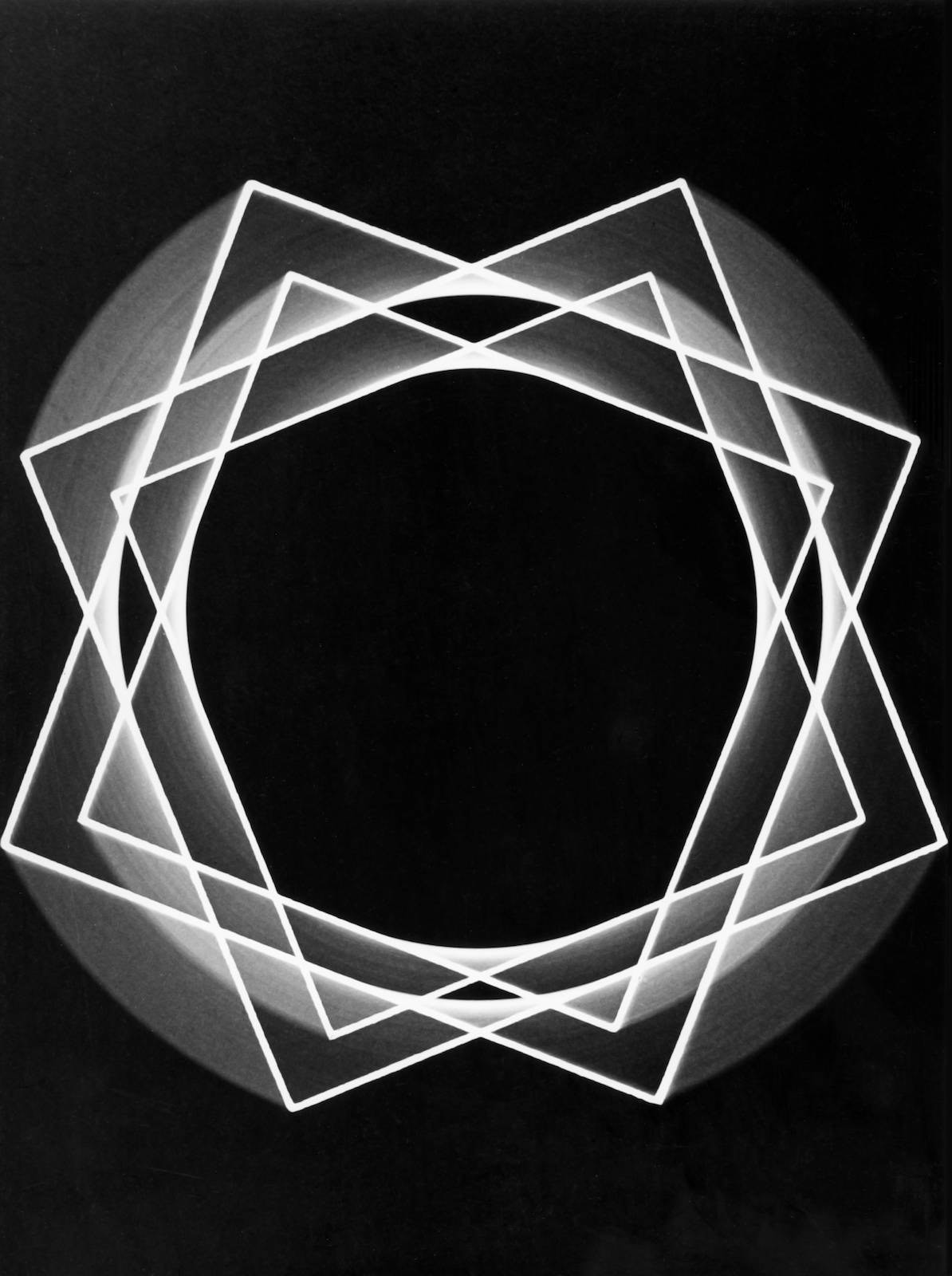
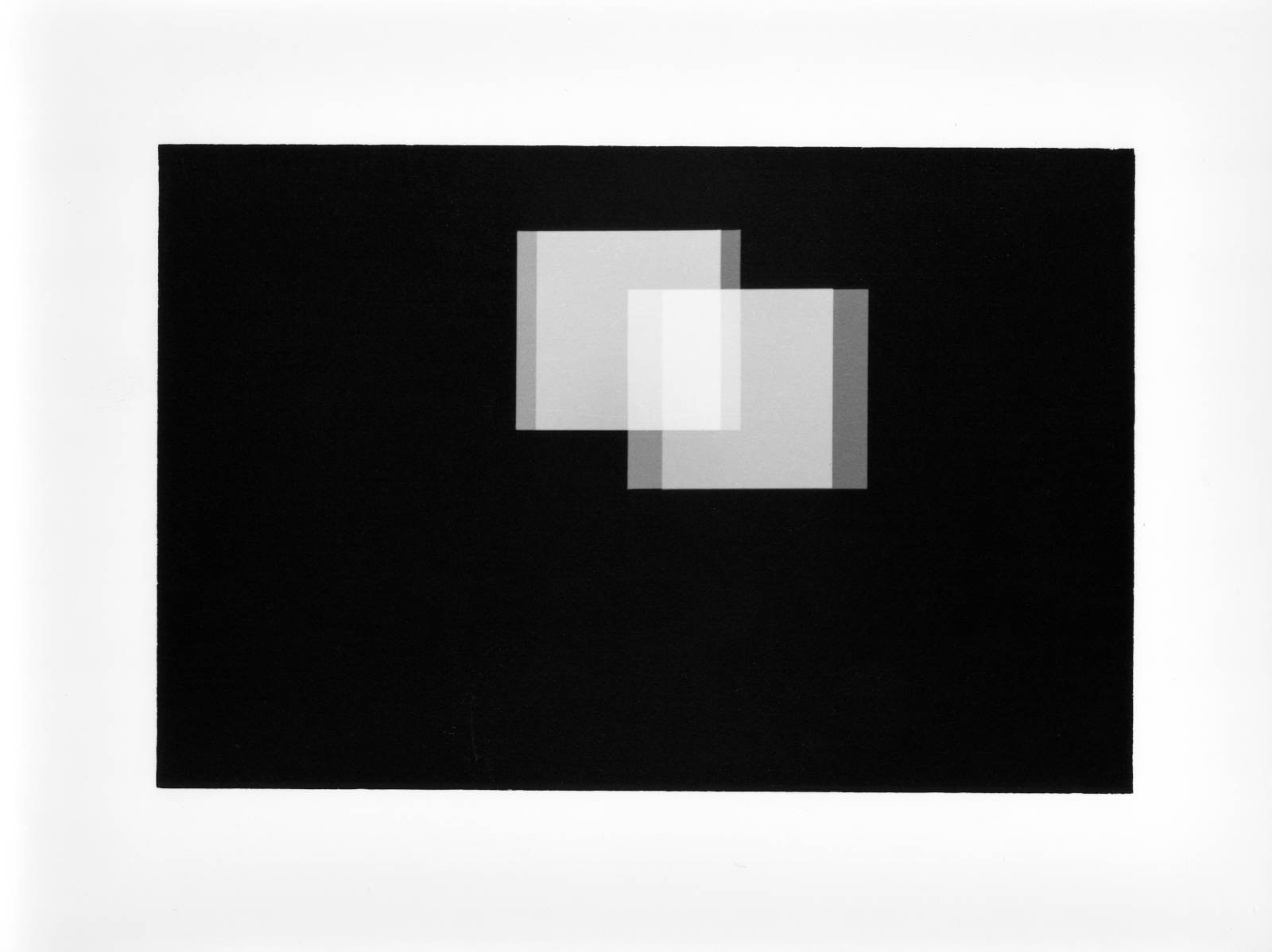
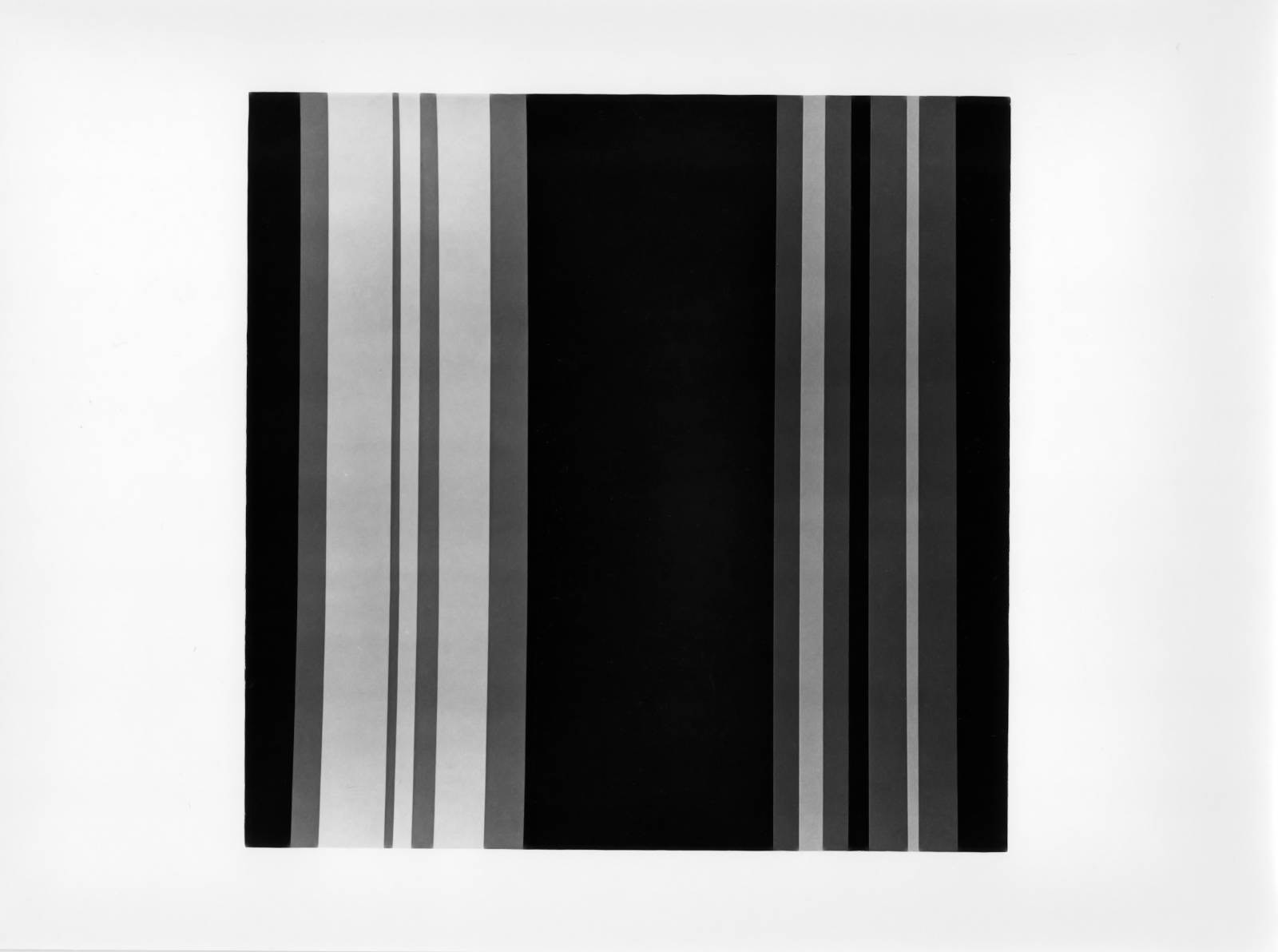
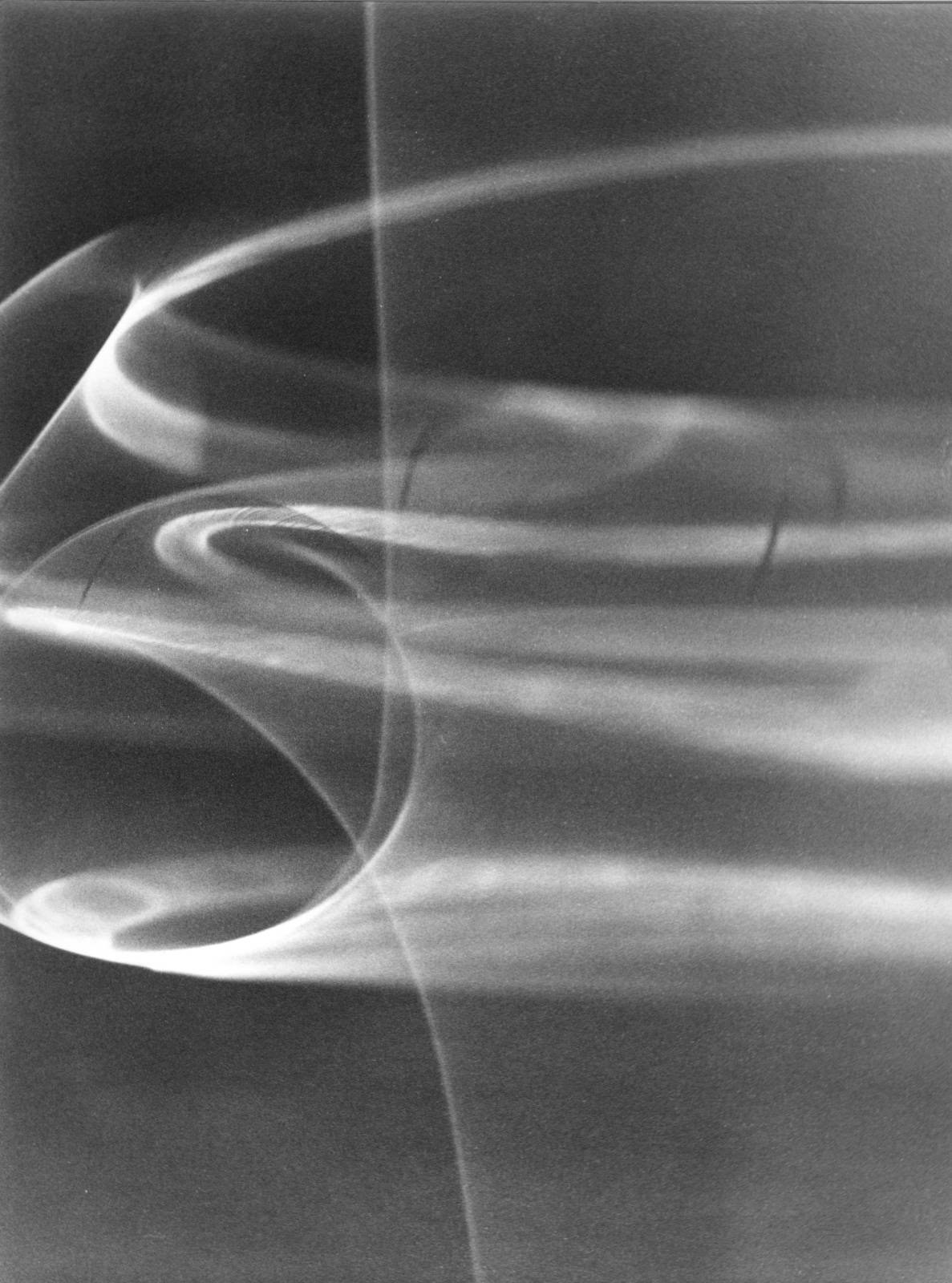
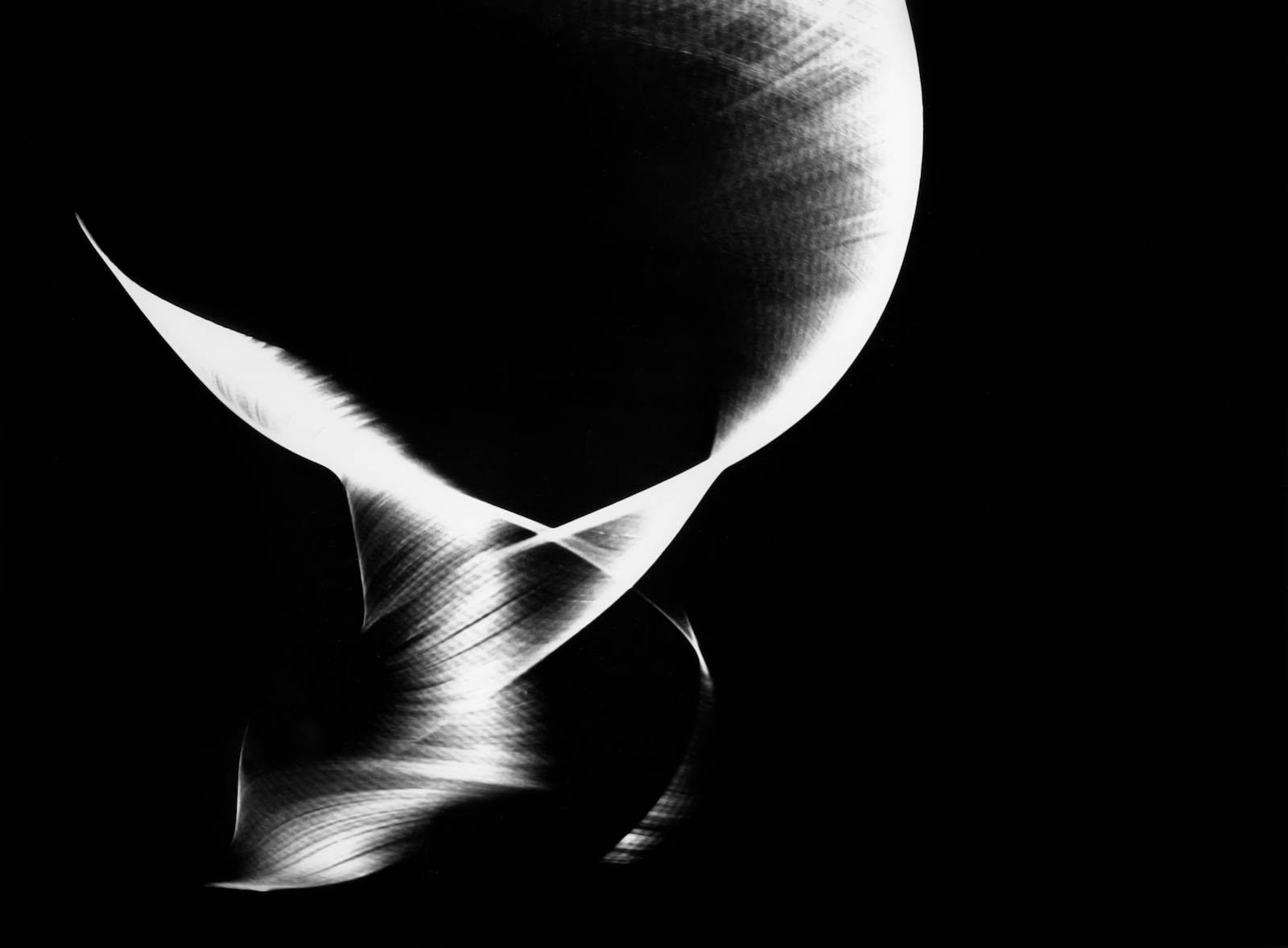
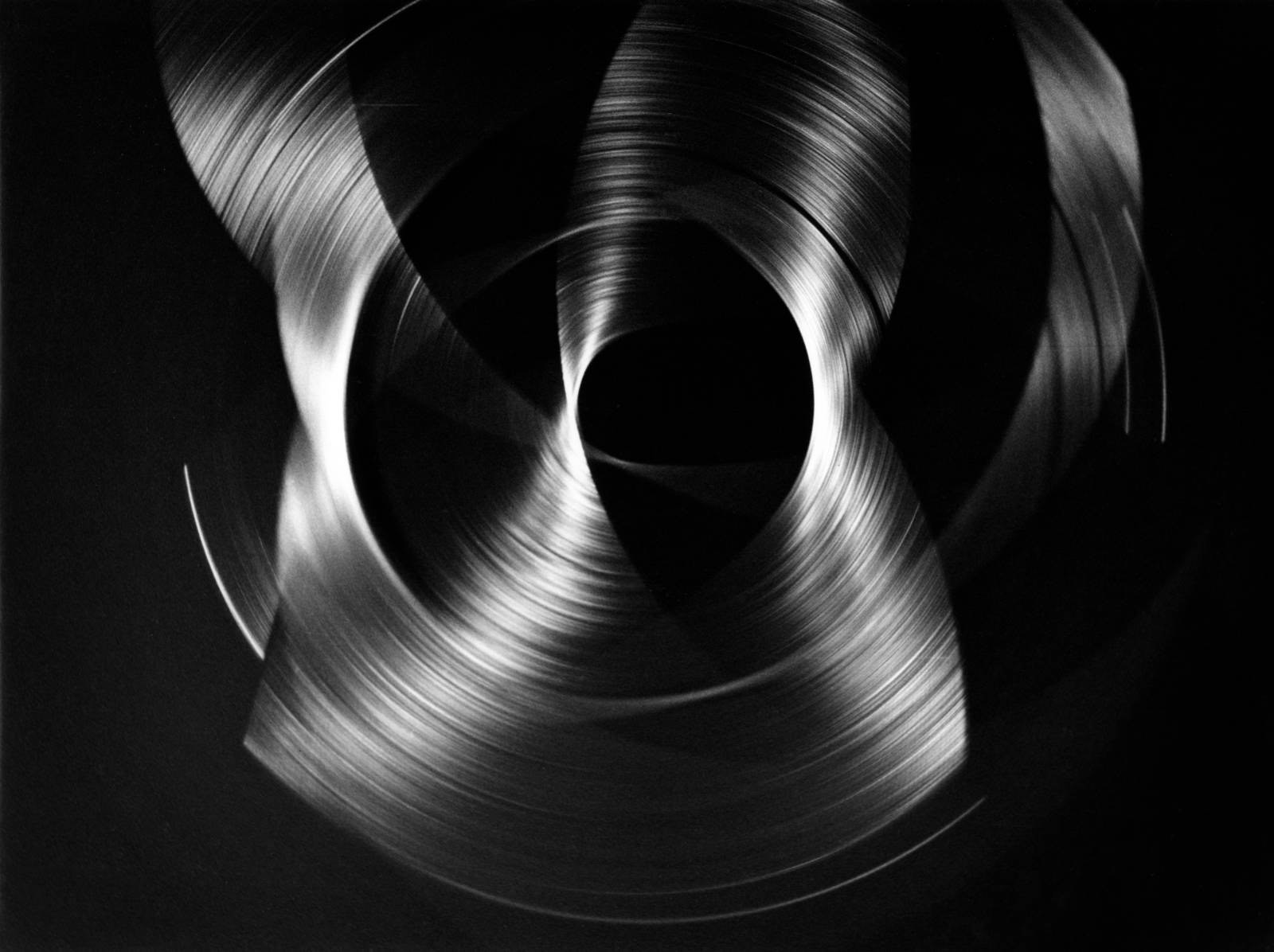
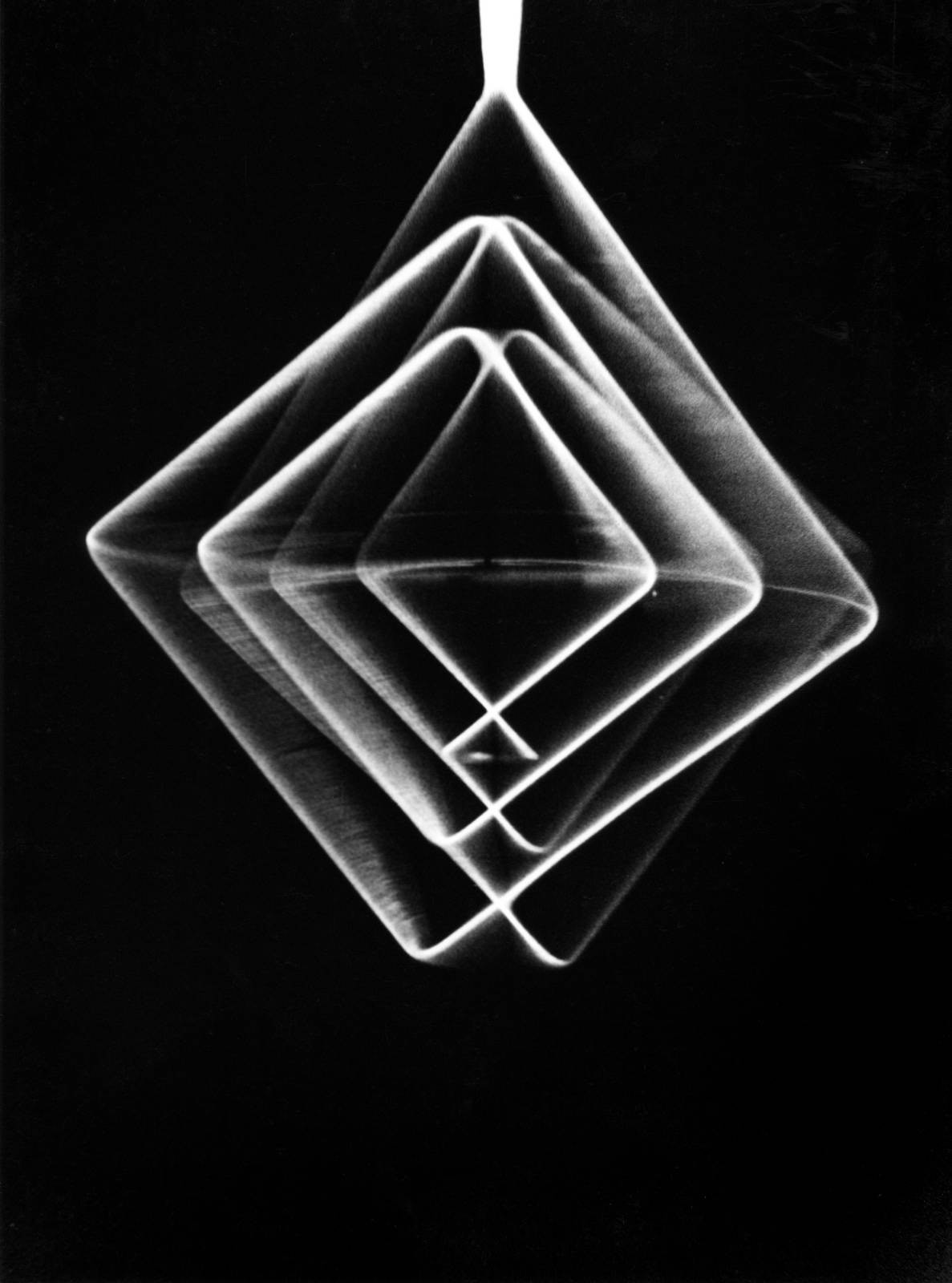
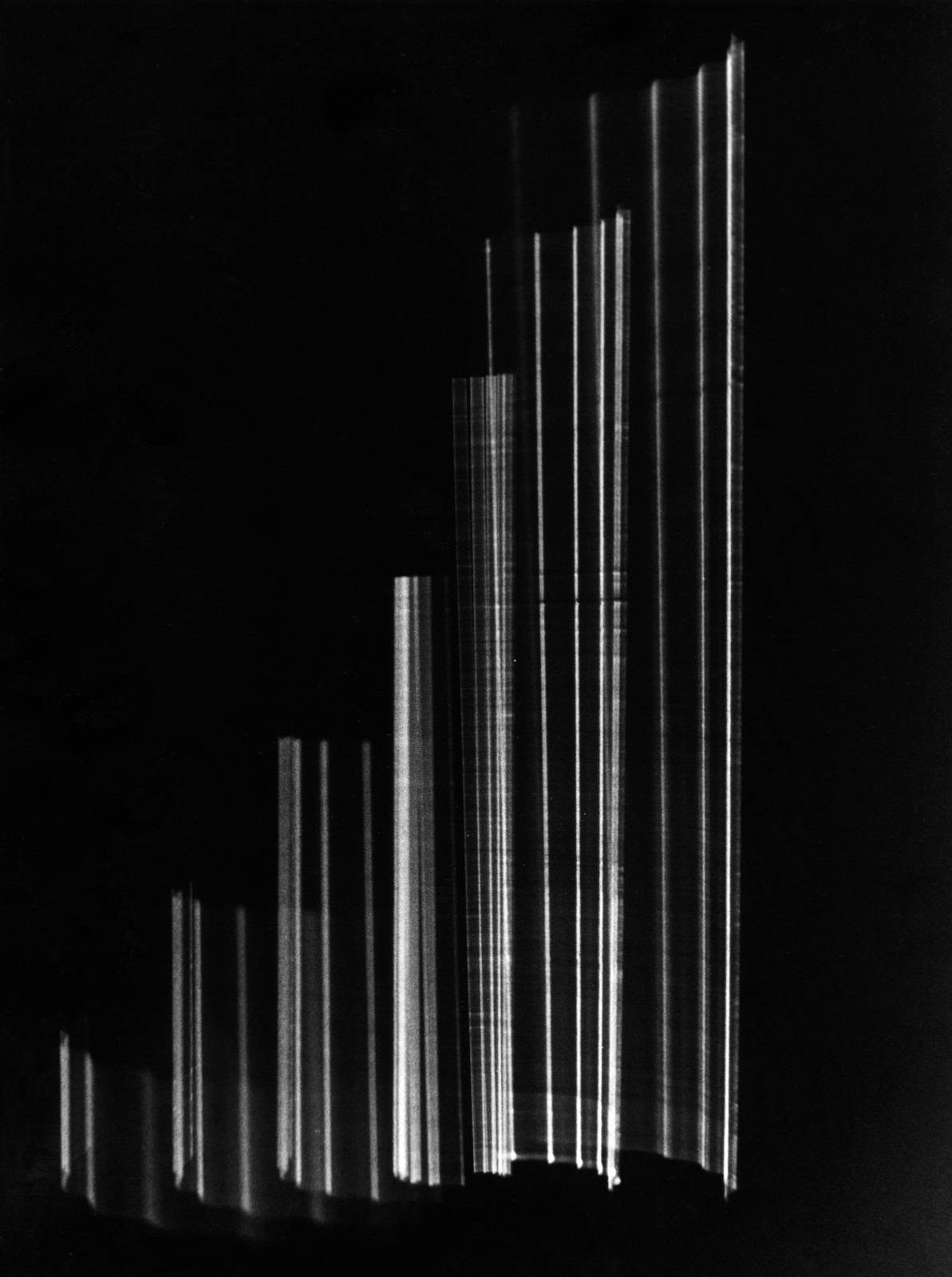
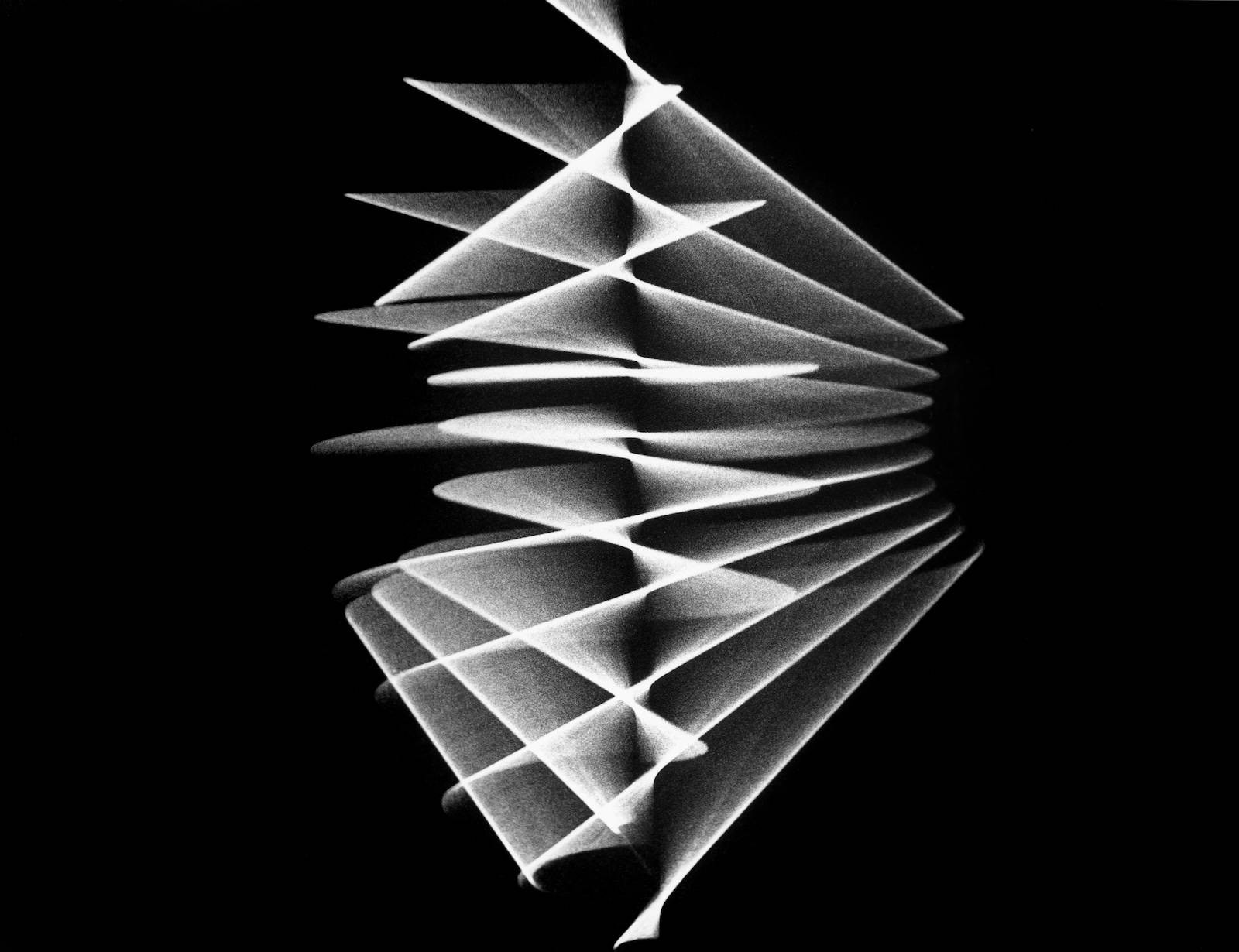
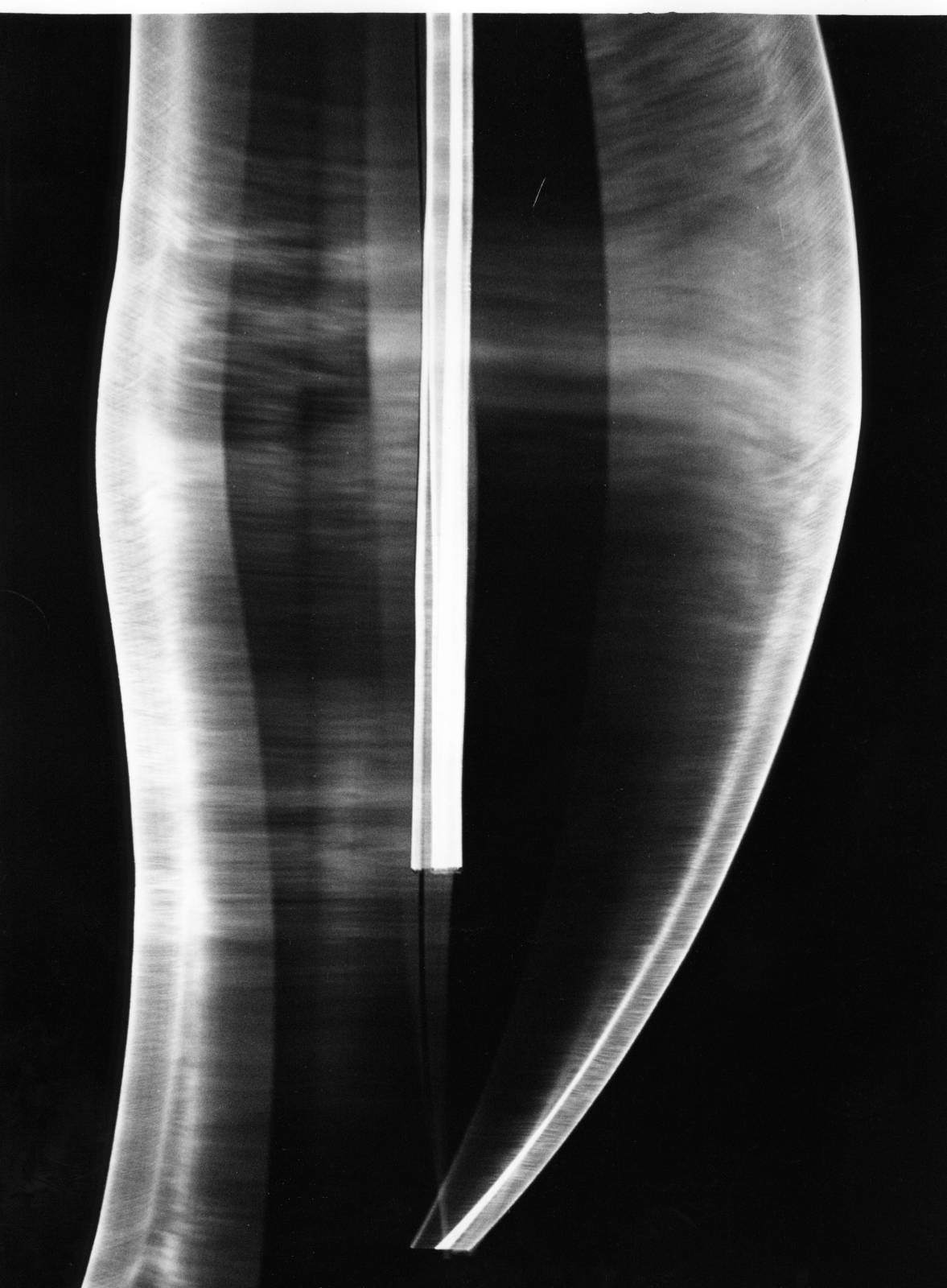
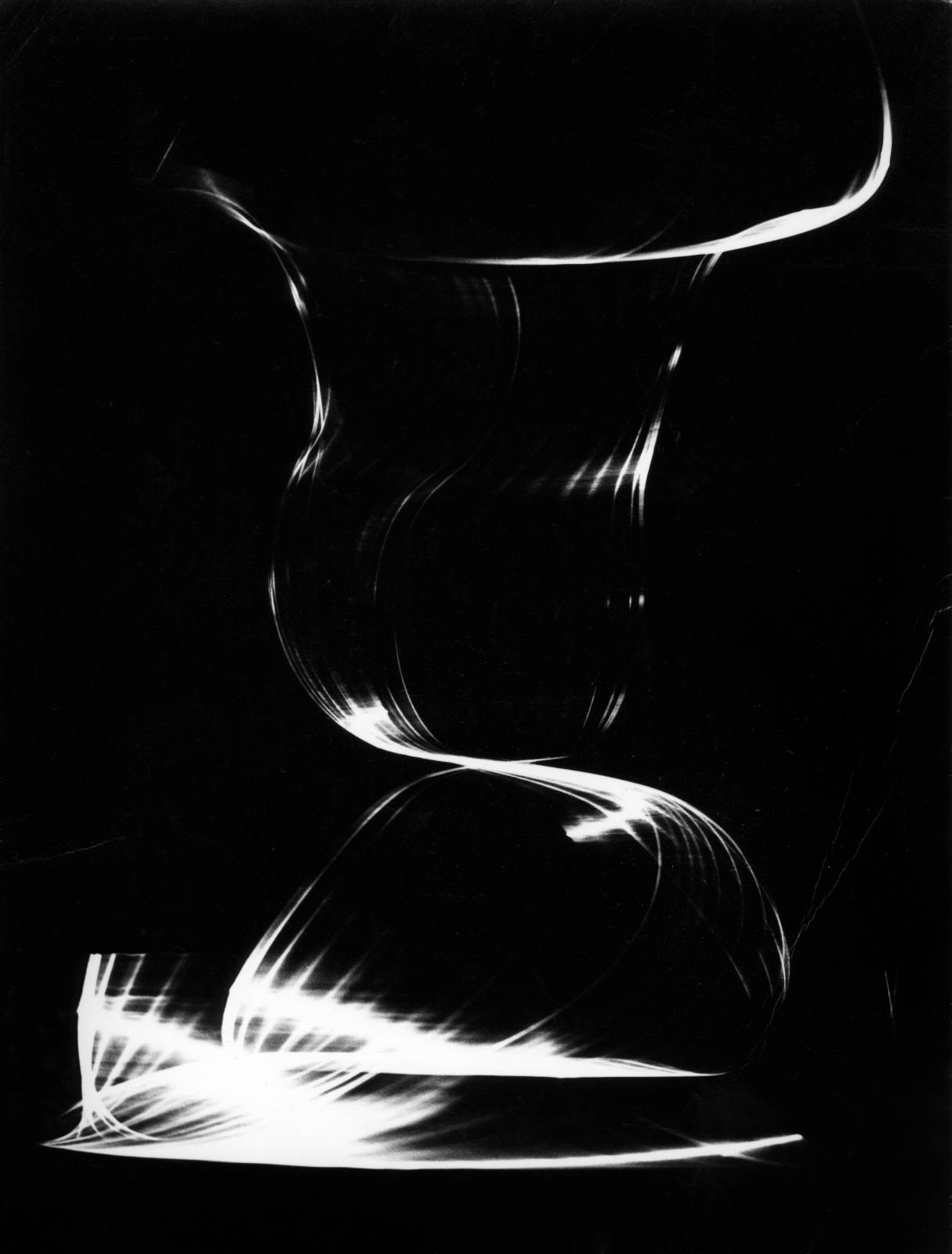
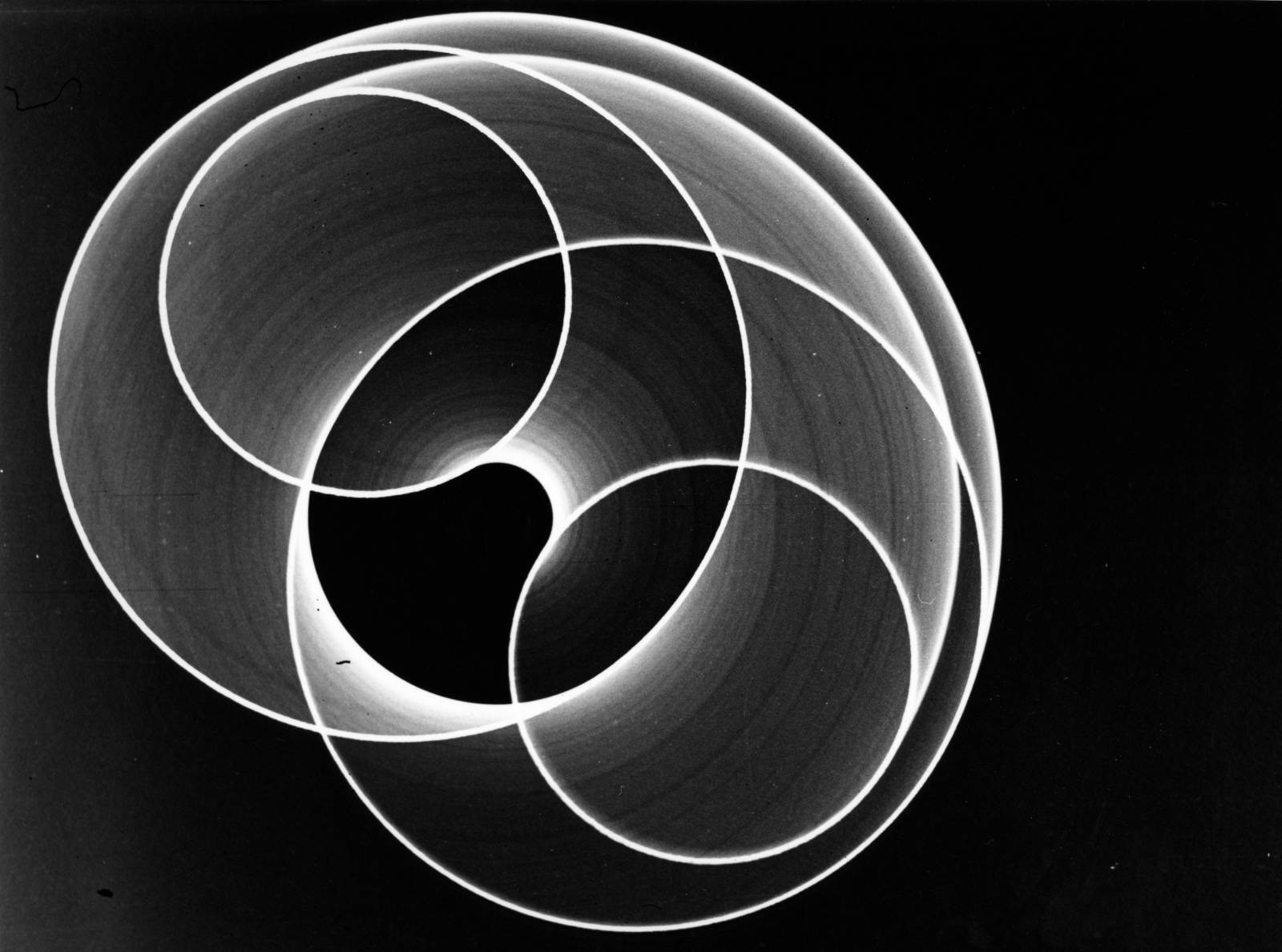
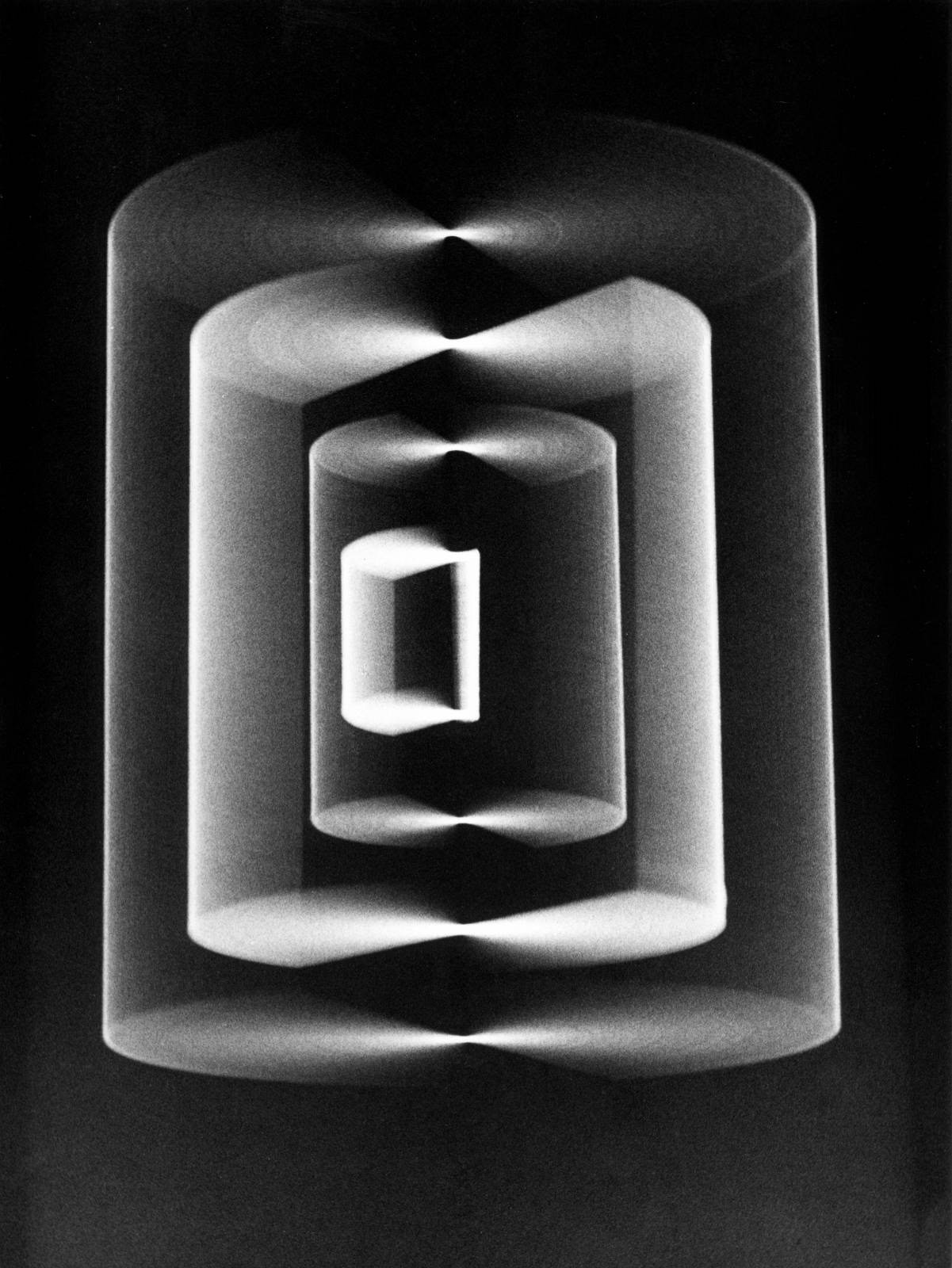
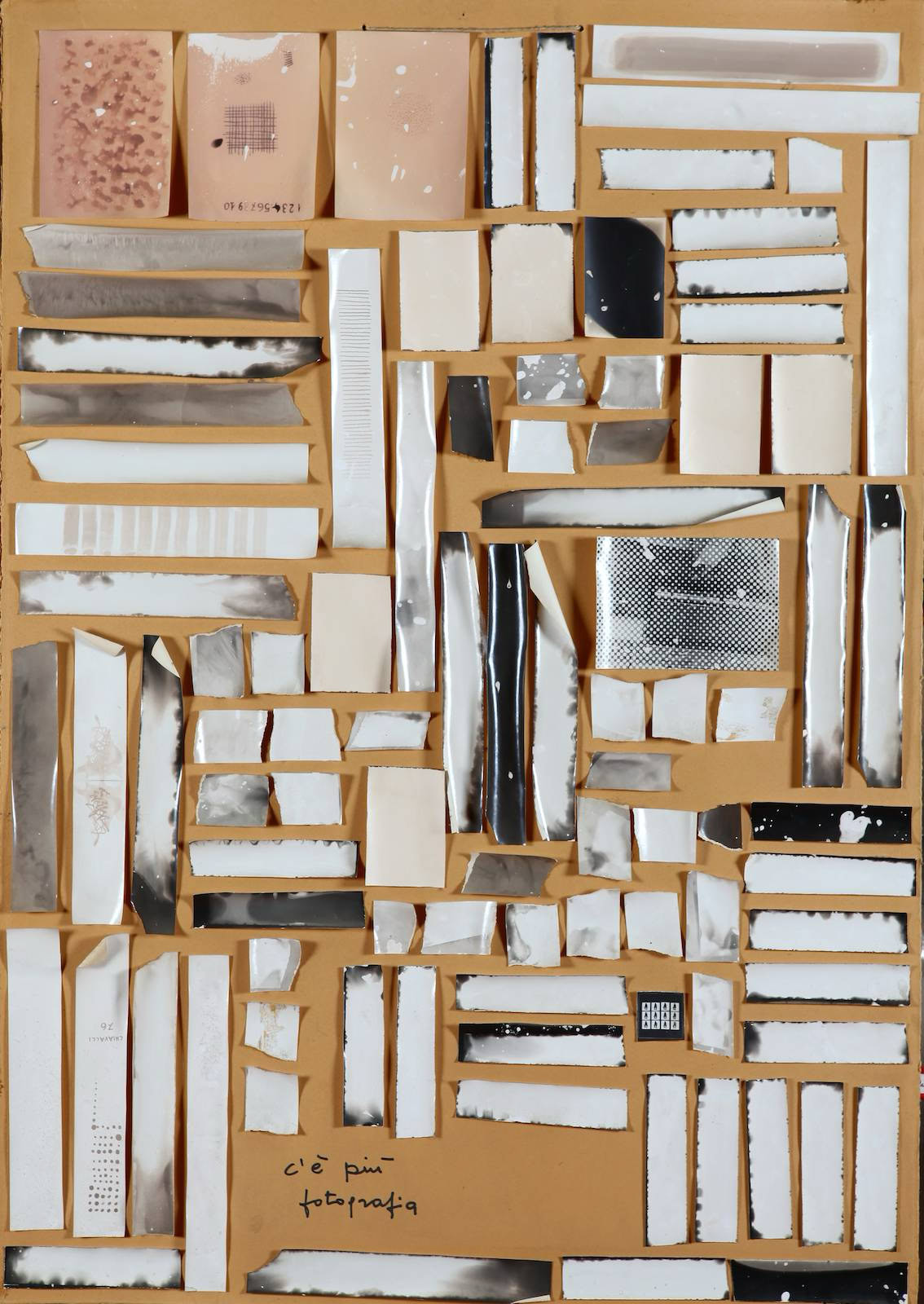
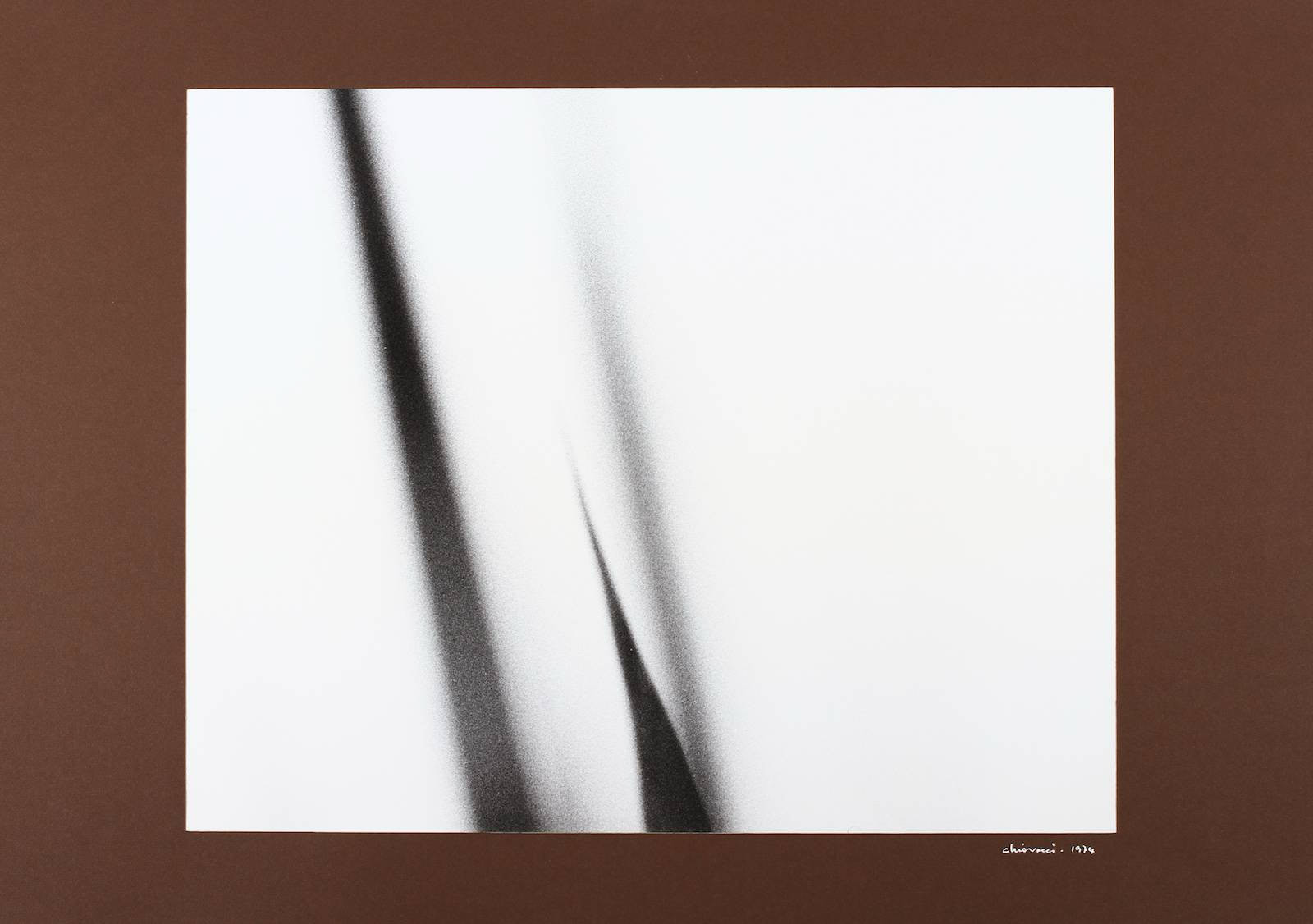
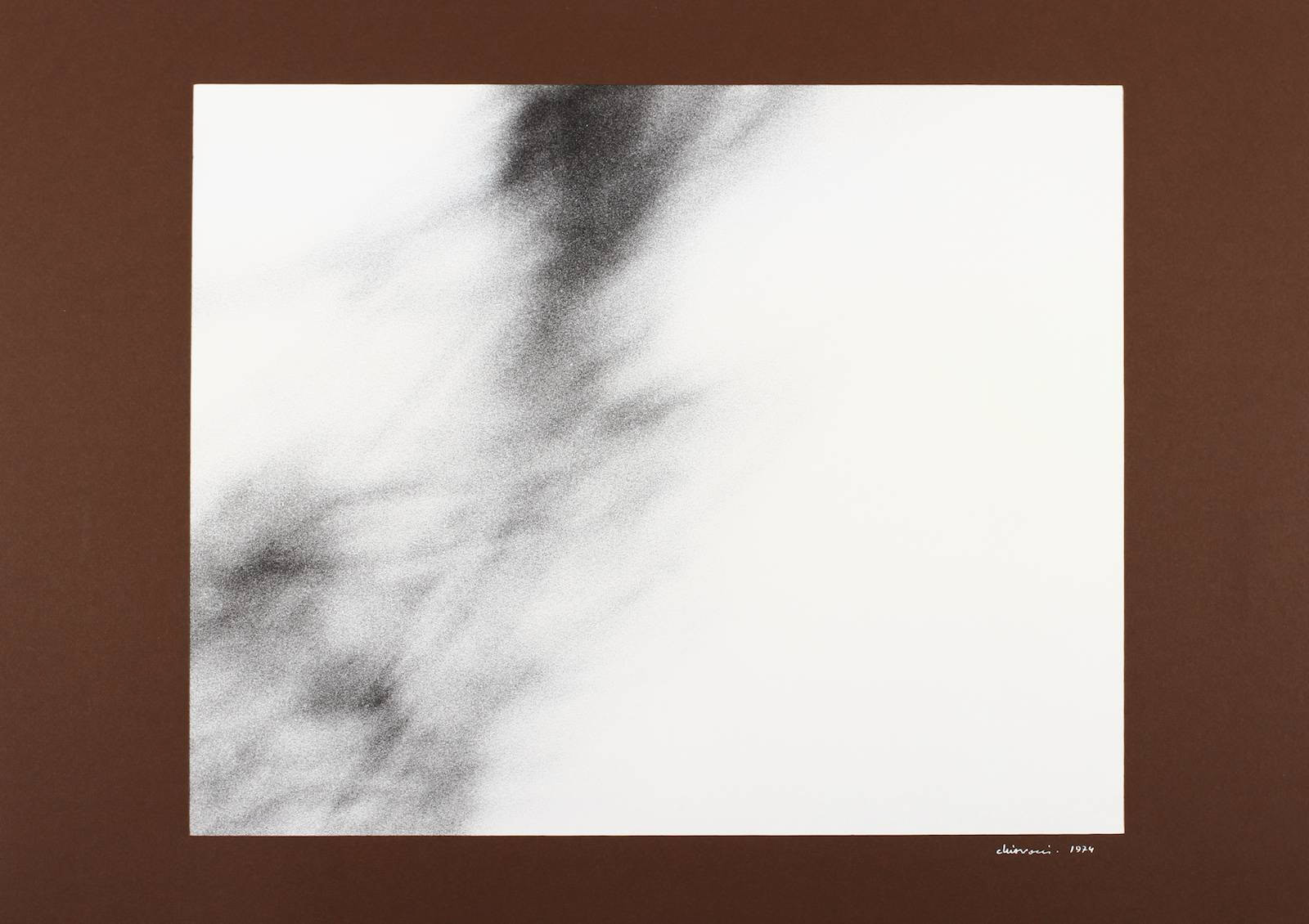
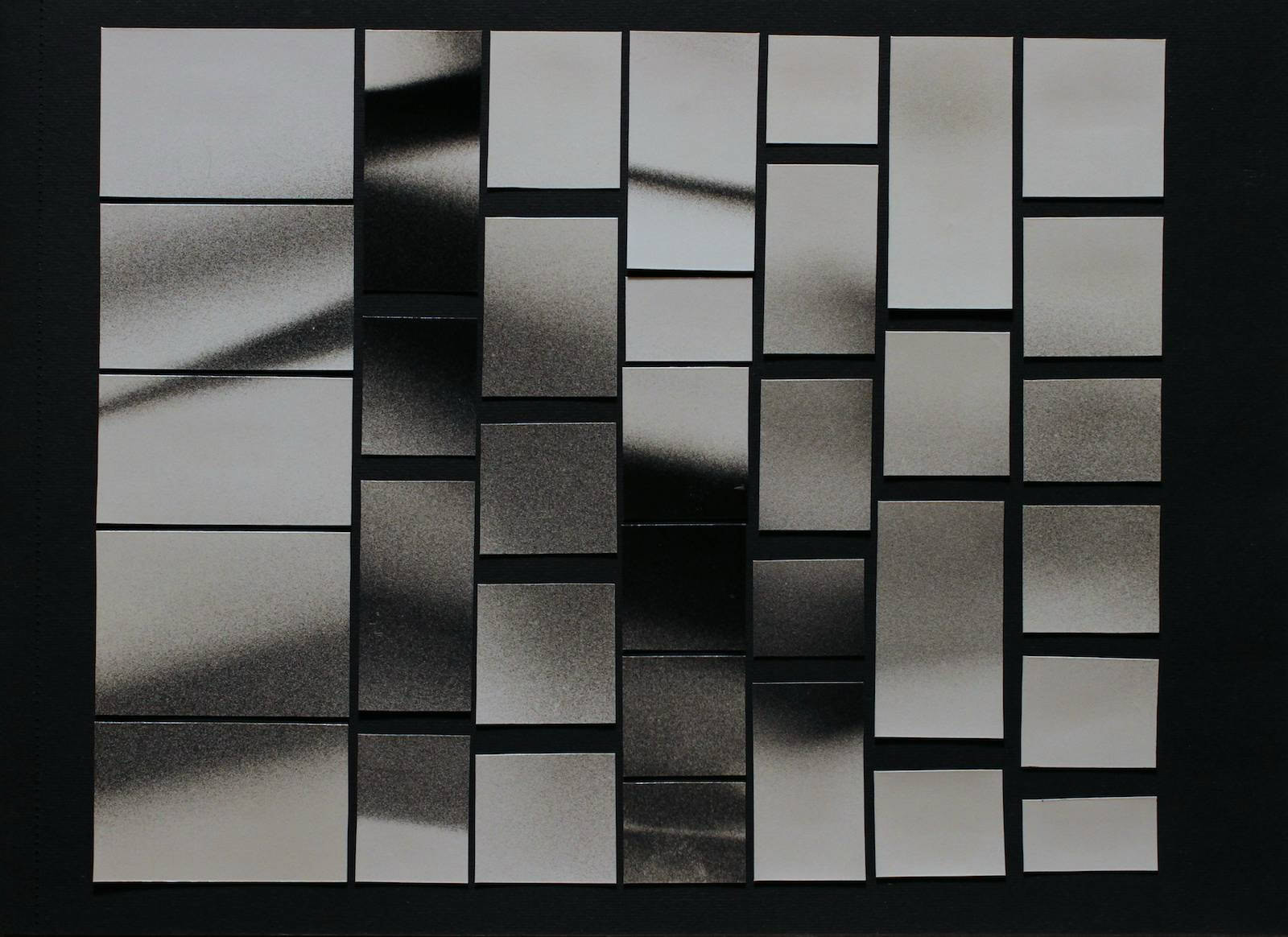
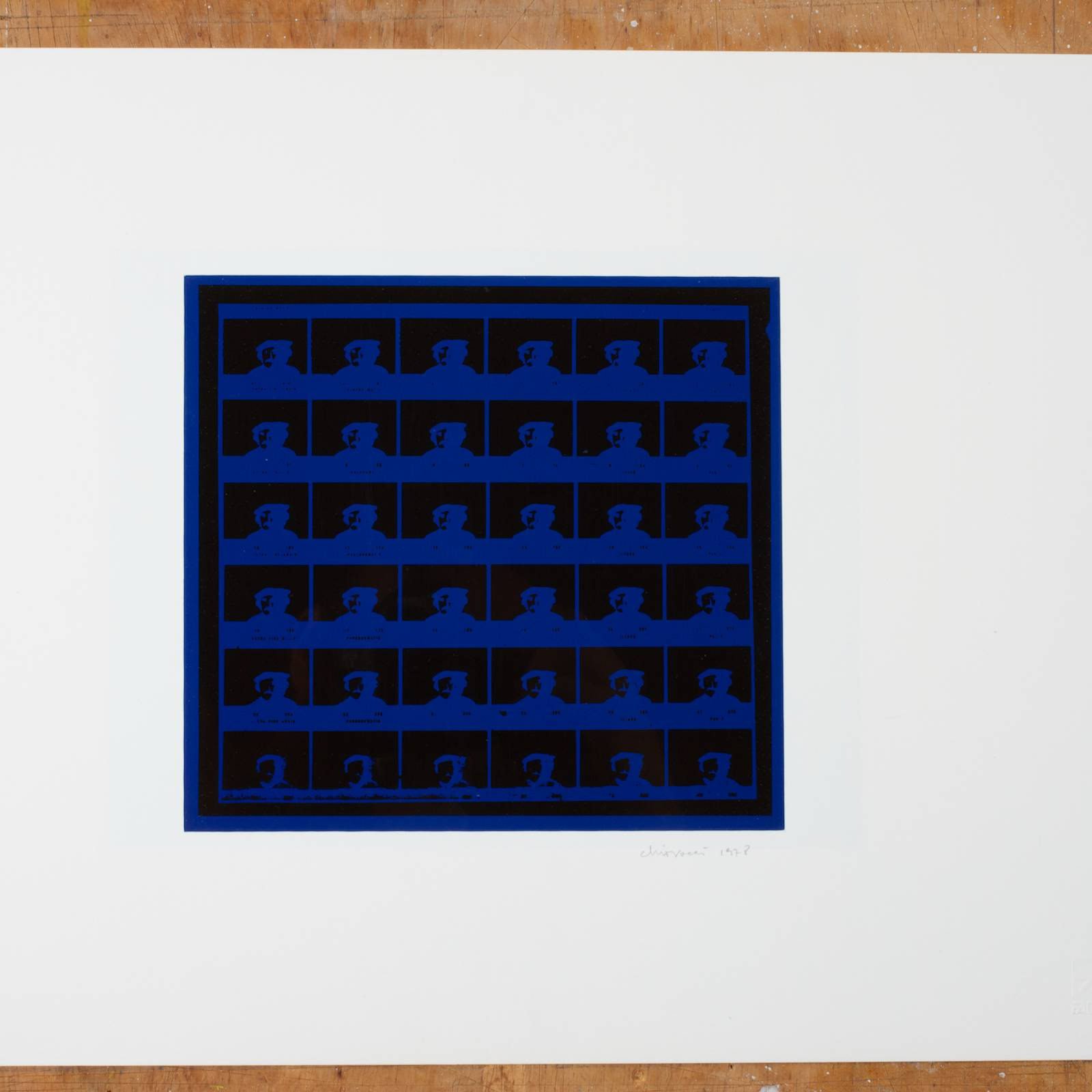
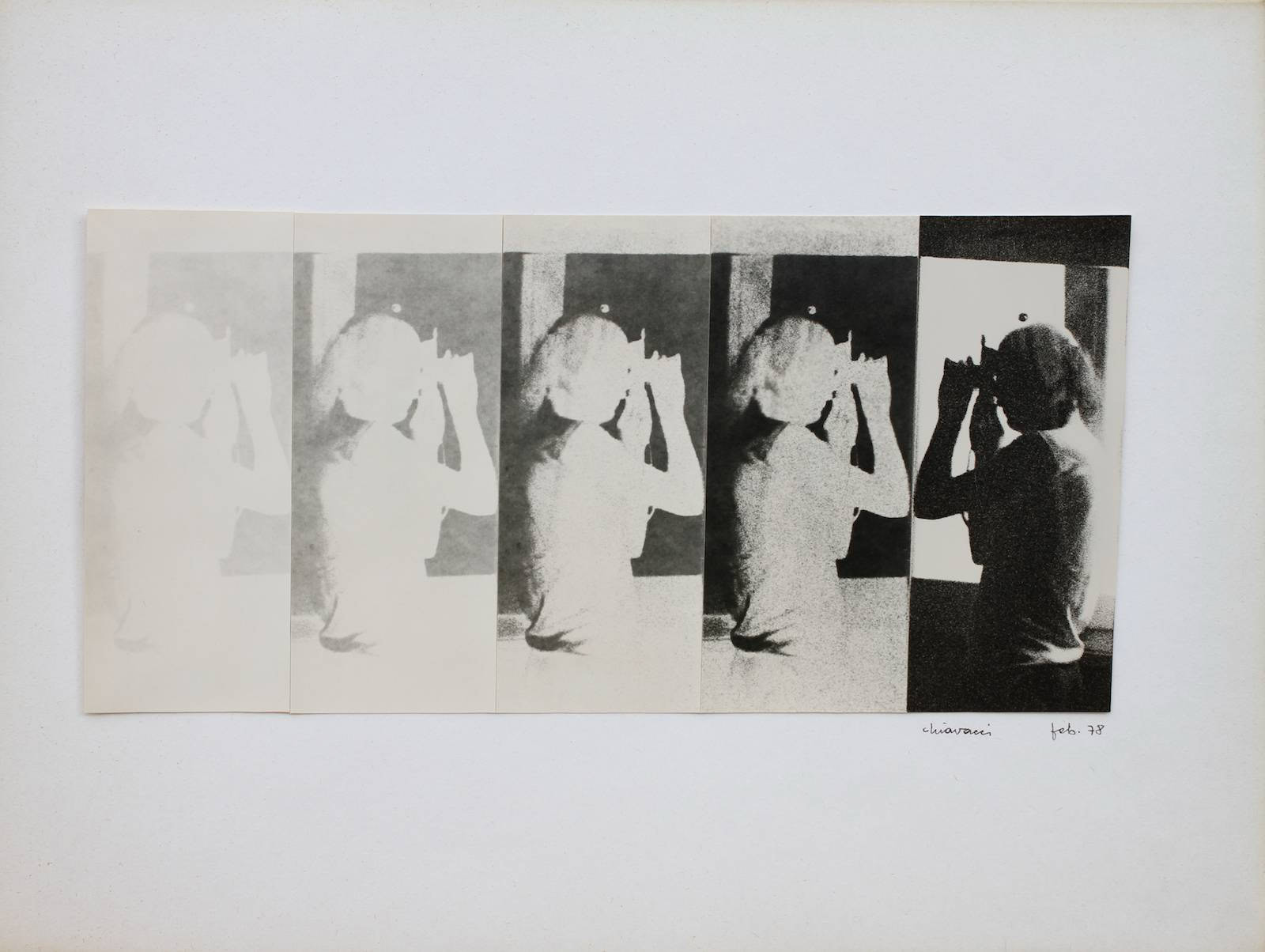
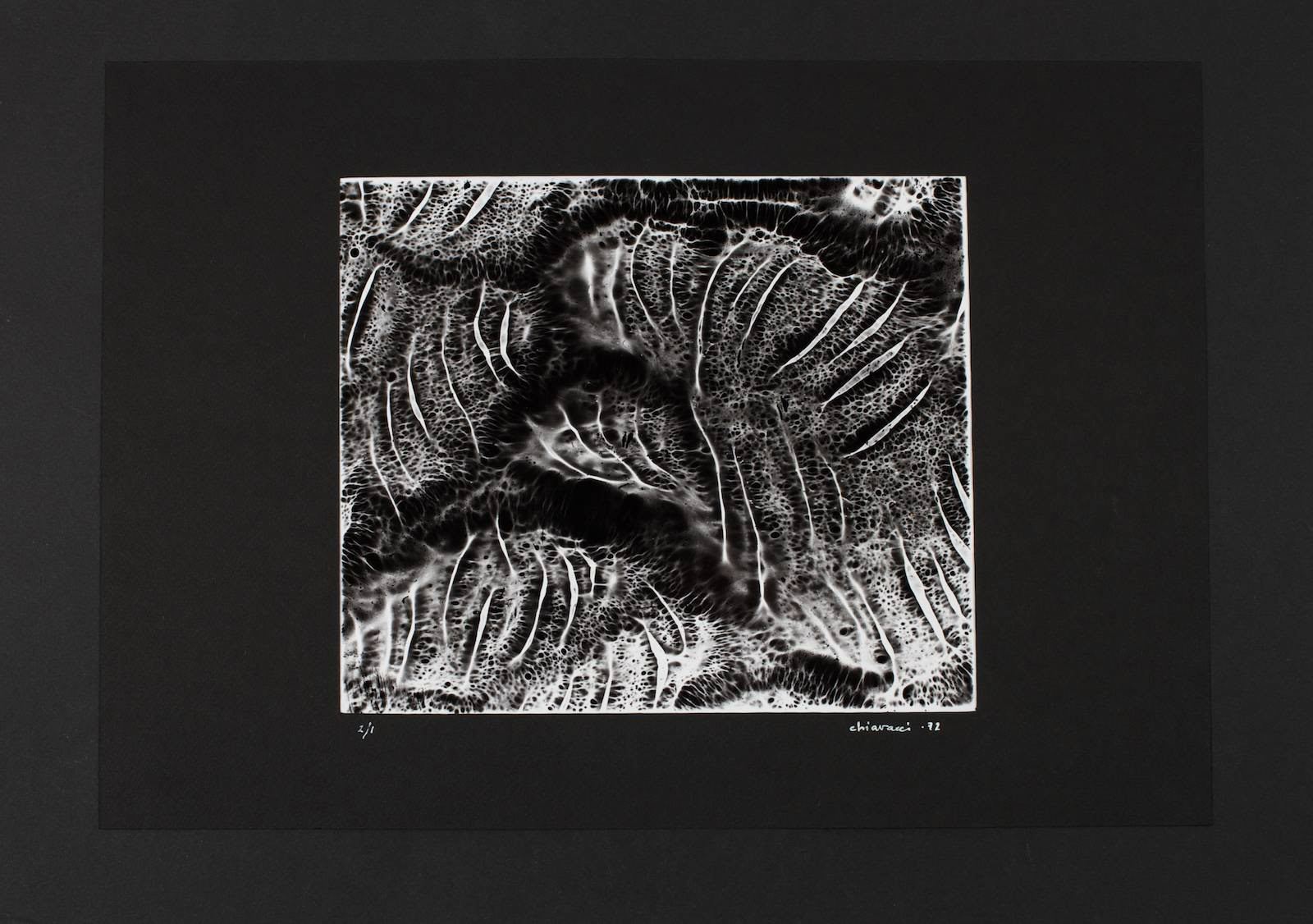
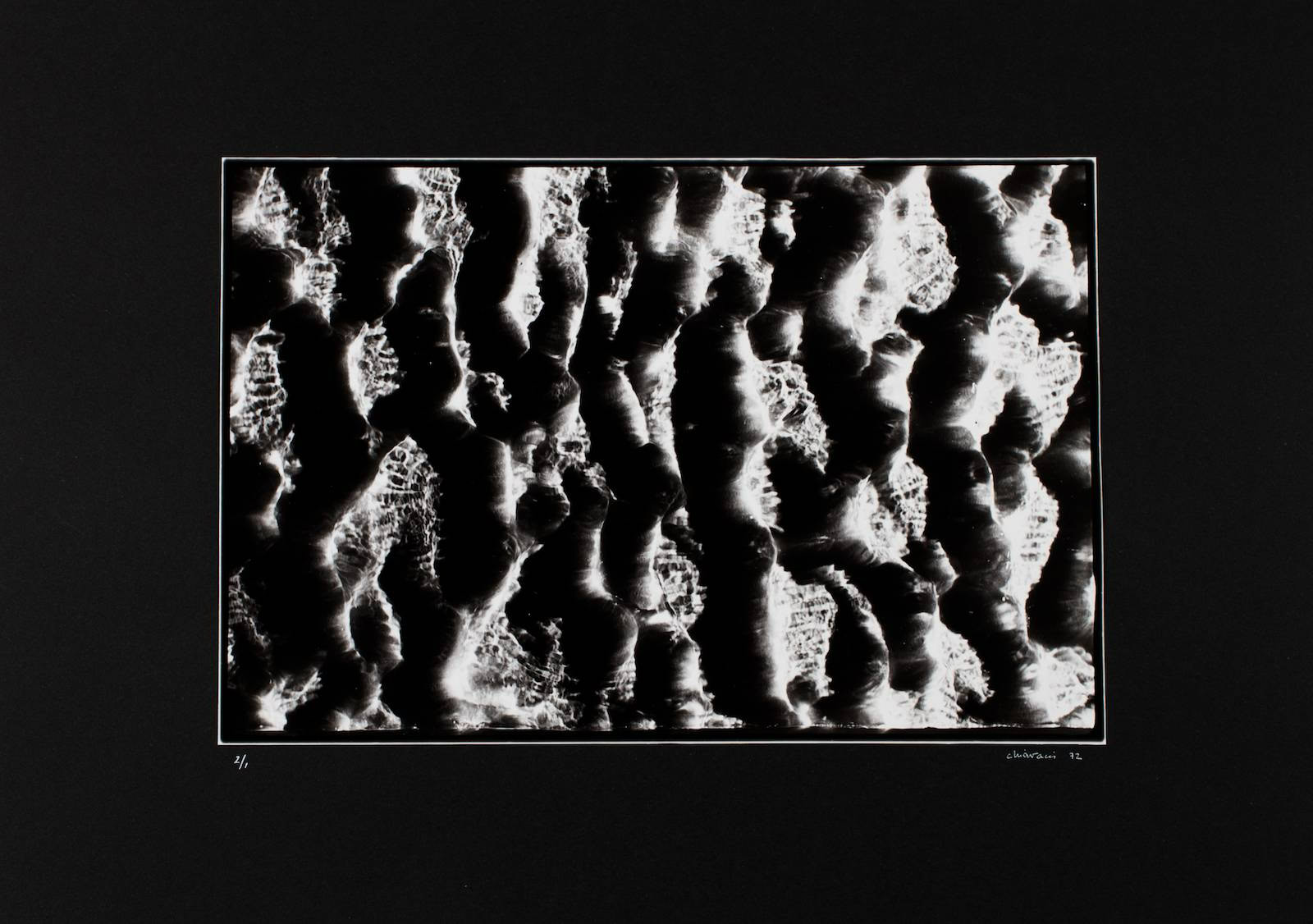
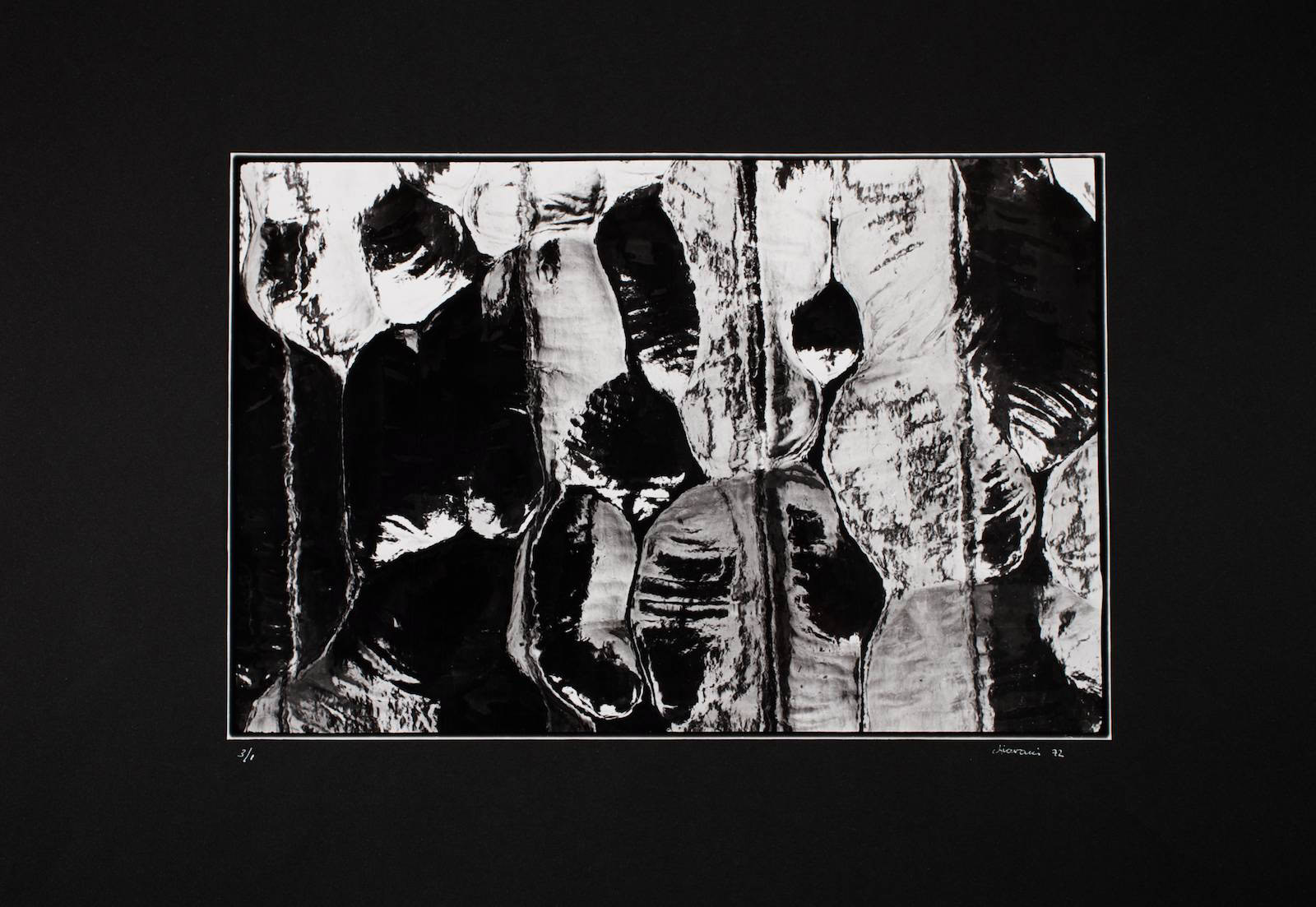
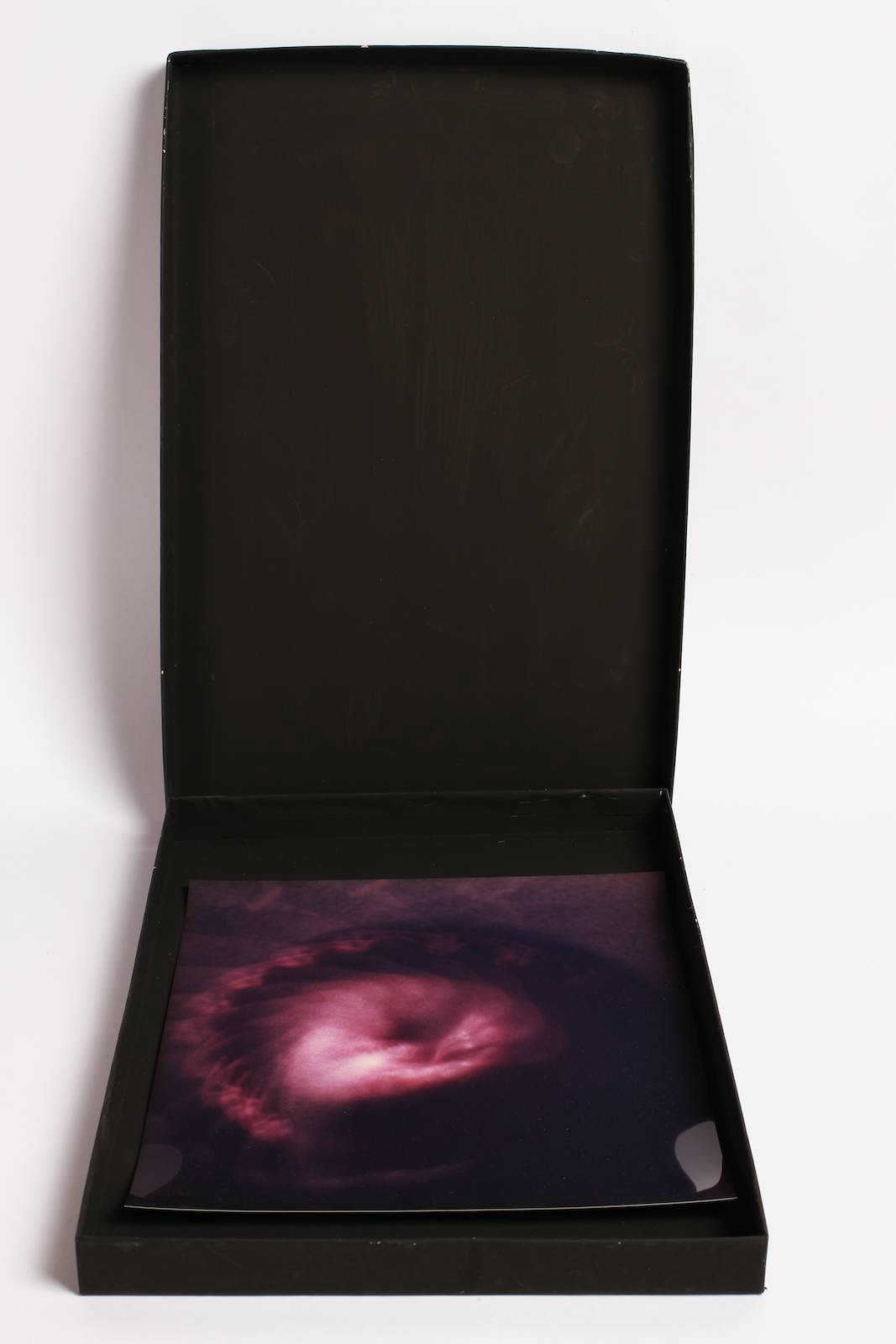
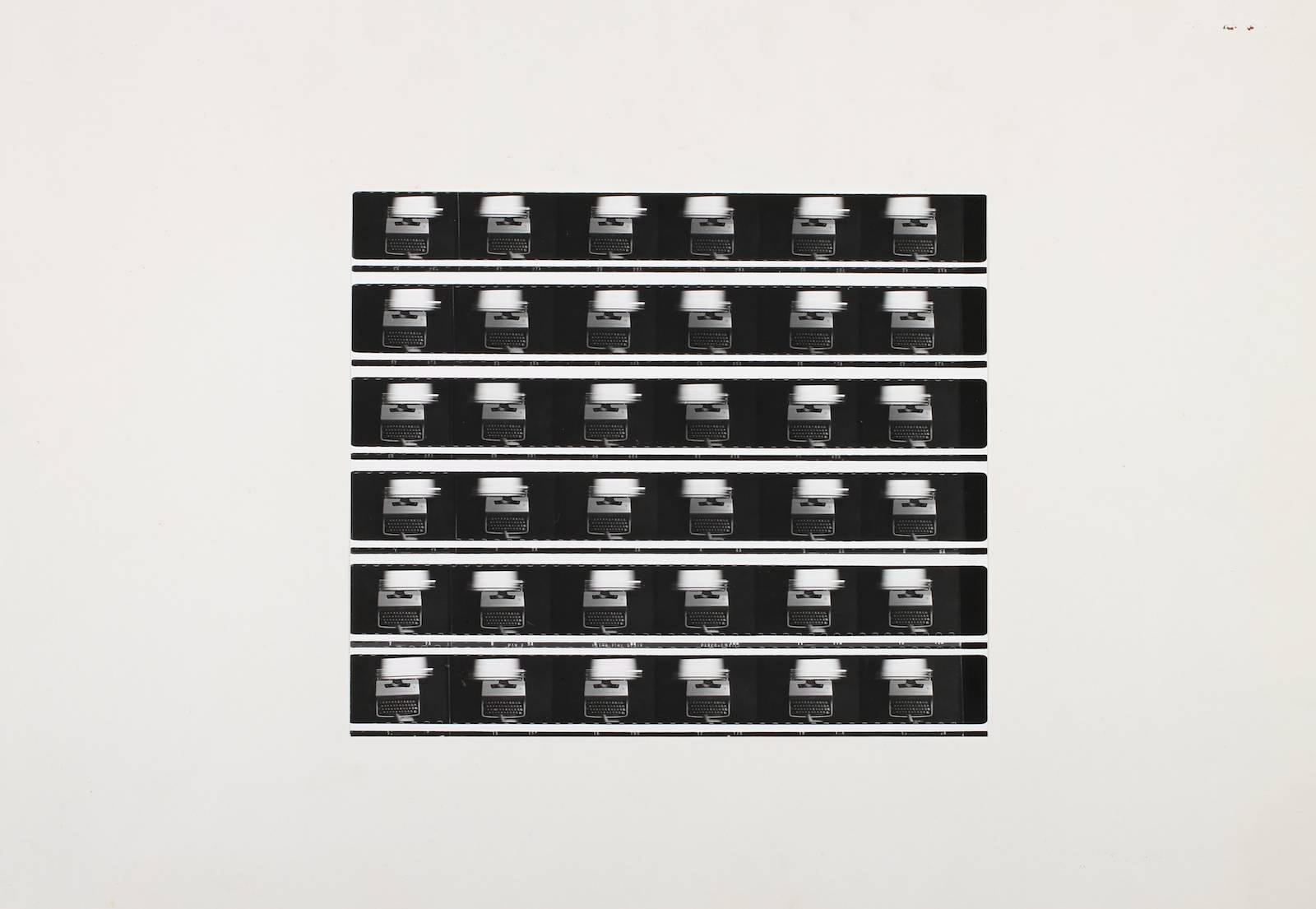
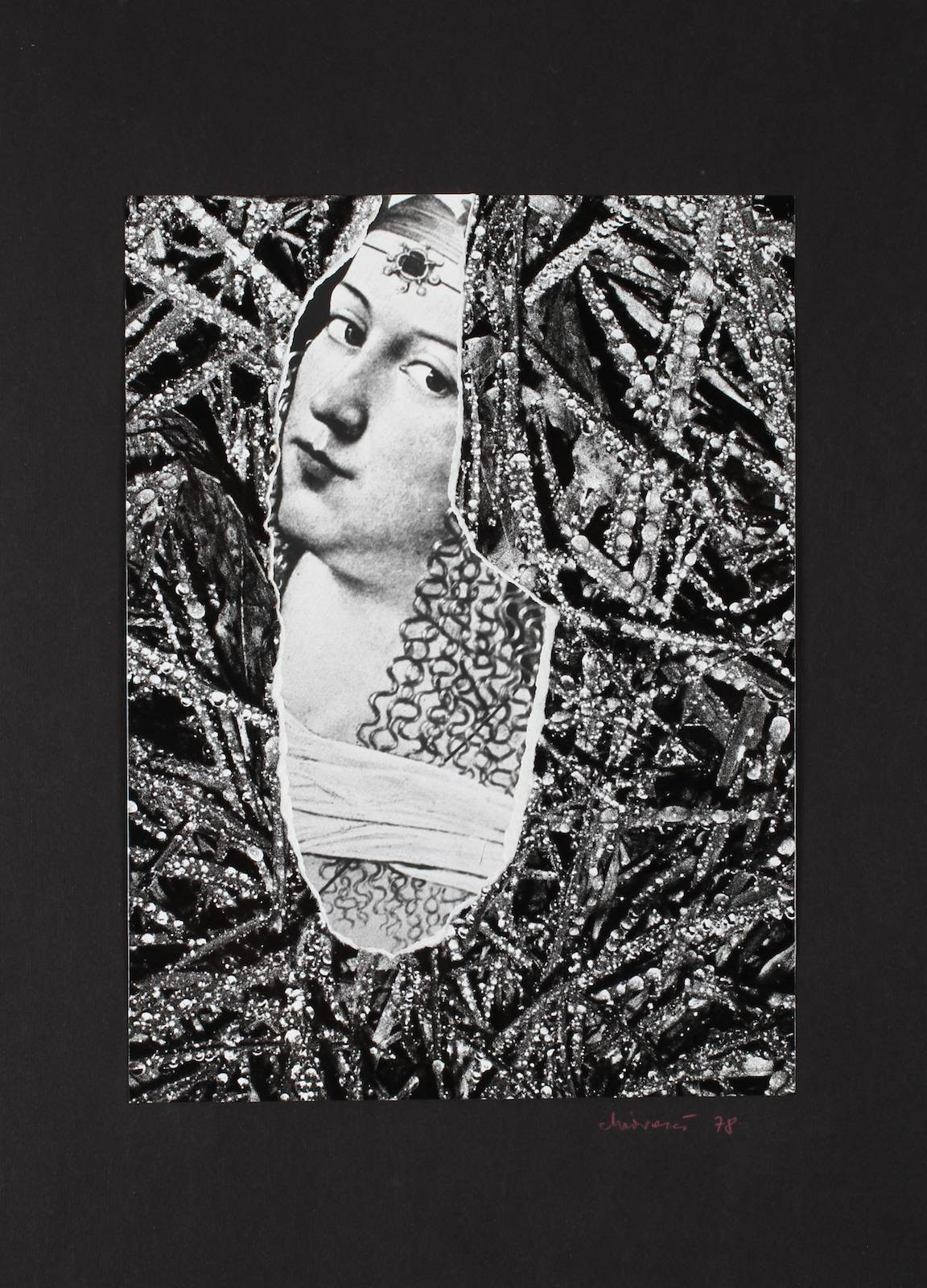
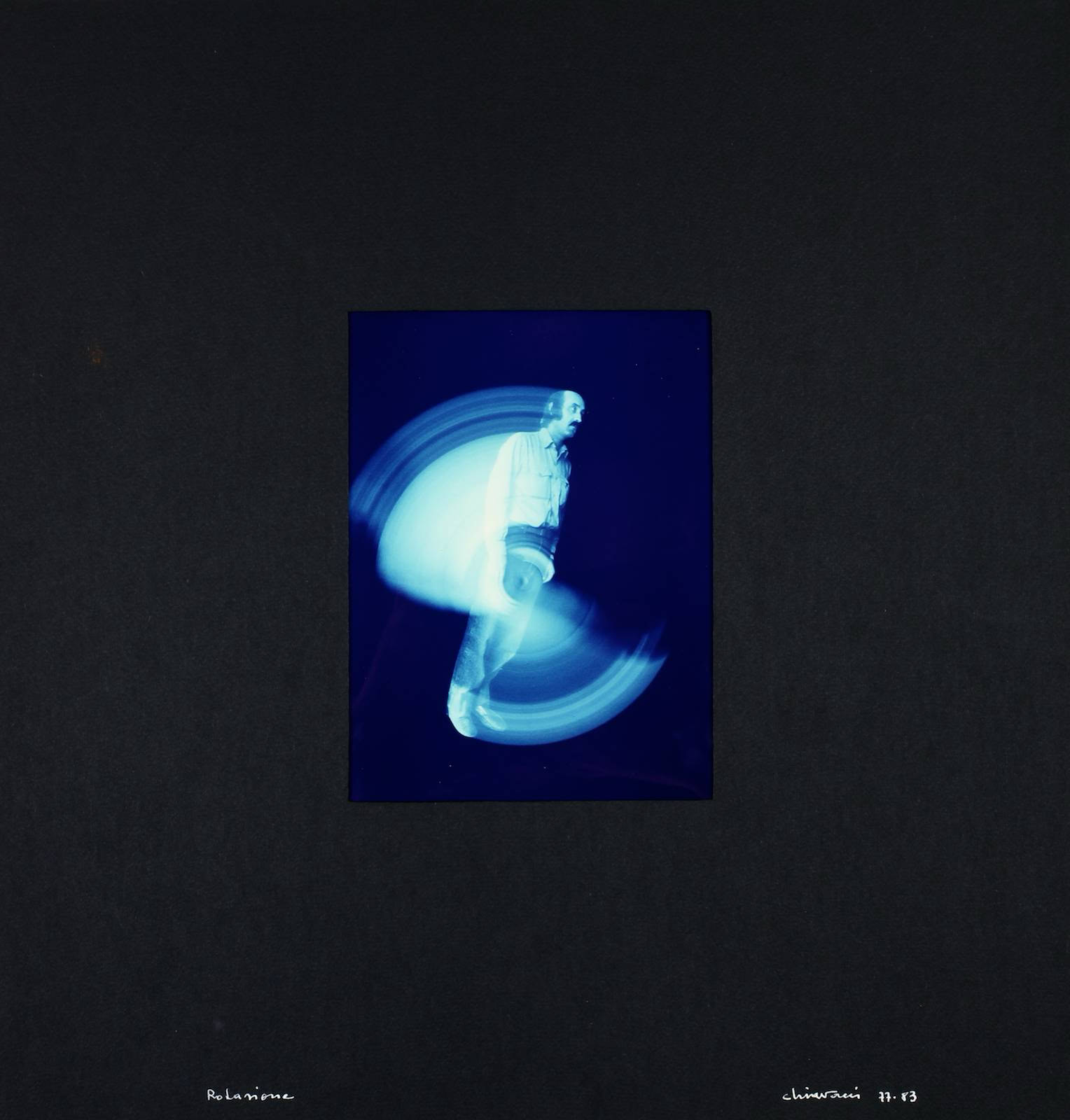
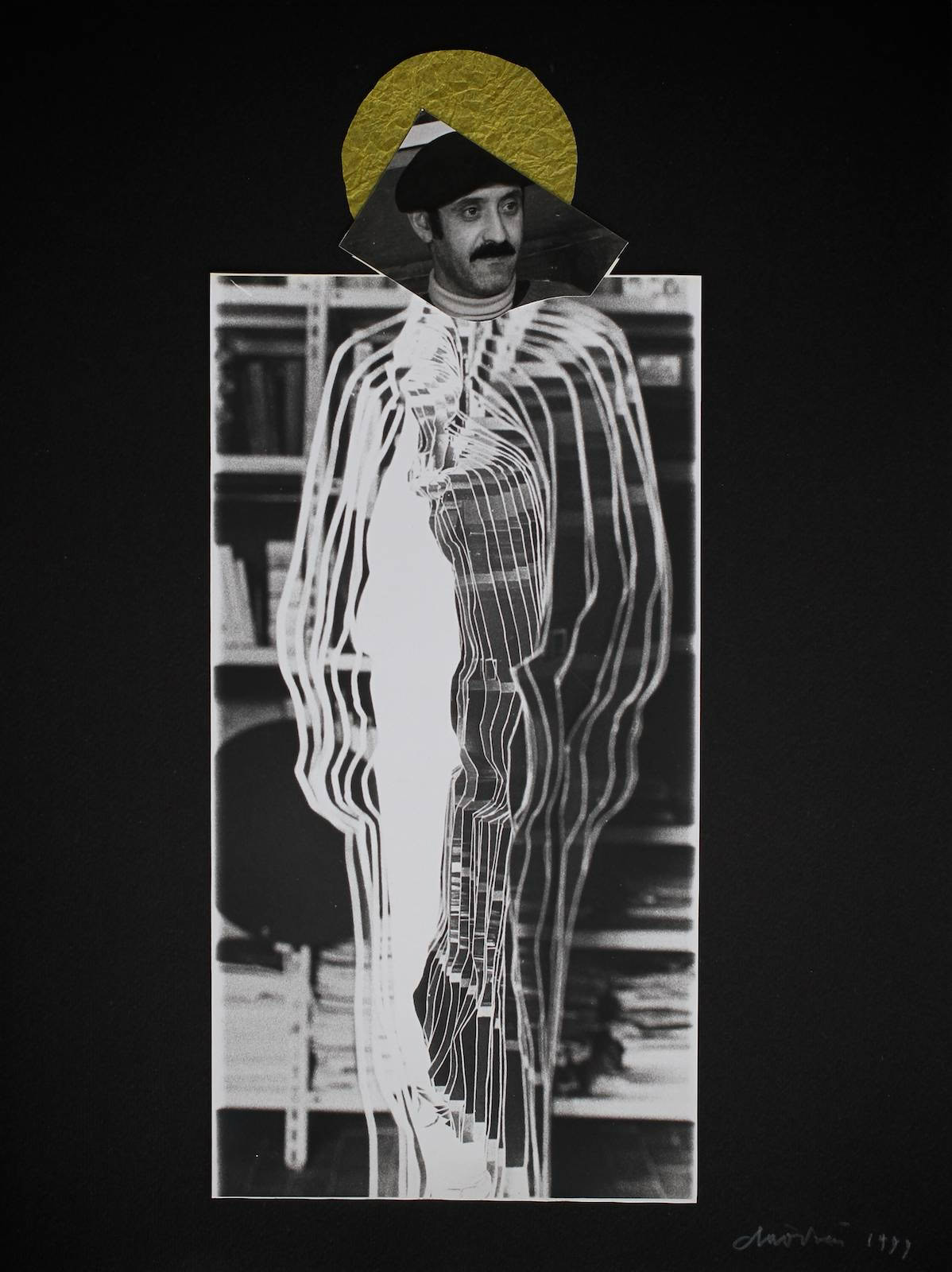
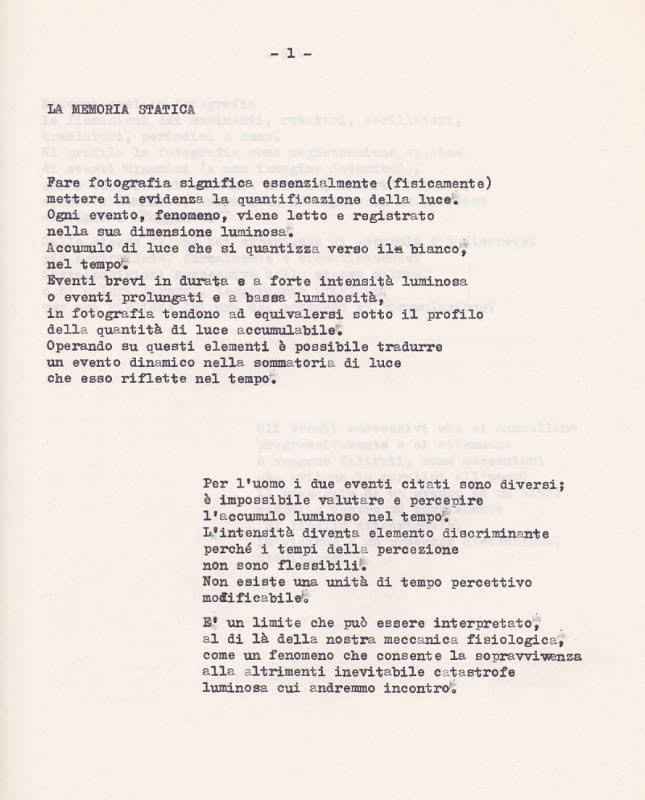
It was only three years later, in 1971, that Chiavacci took the truly innovative step, developing a structured method built on four generative processes — Blurring, Rotations on the plane, Rotations in space, Translations — to investigate the photographic medium as a machine capable of recording a luminous phenomenon, rather than as a documentary tool. This gave rise to the Photographic Research, a substantial body of shots and prints, predominantly in black and white, depicting cardboard and metallic filaments treated with luminescent colors and illuminated with Wood’s light.
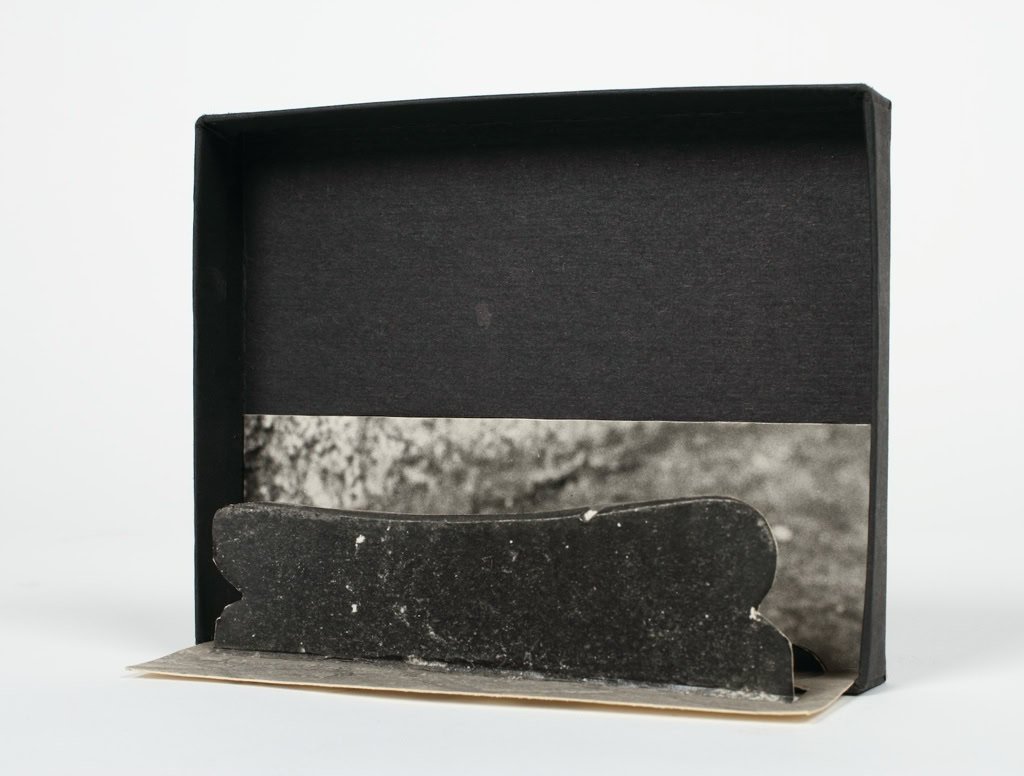
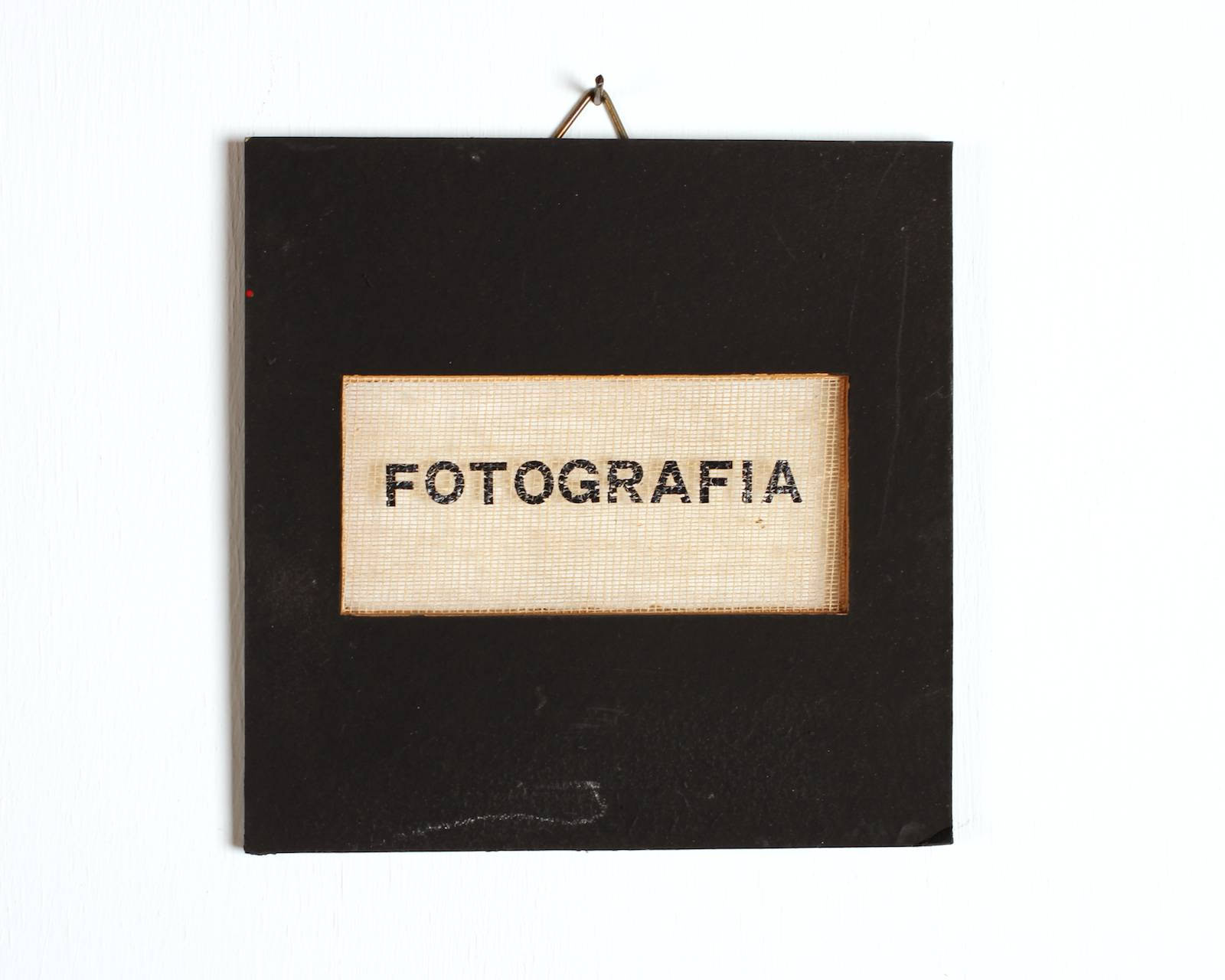
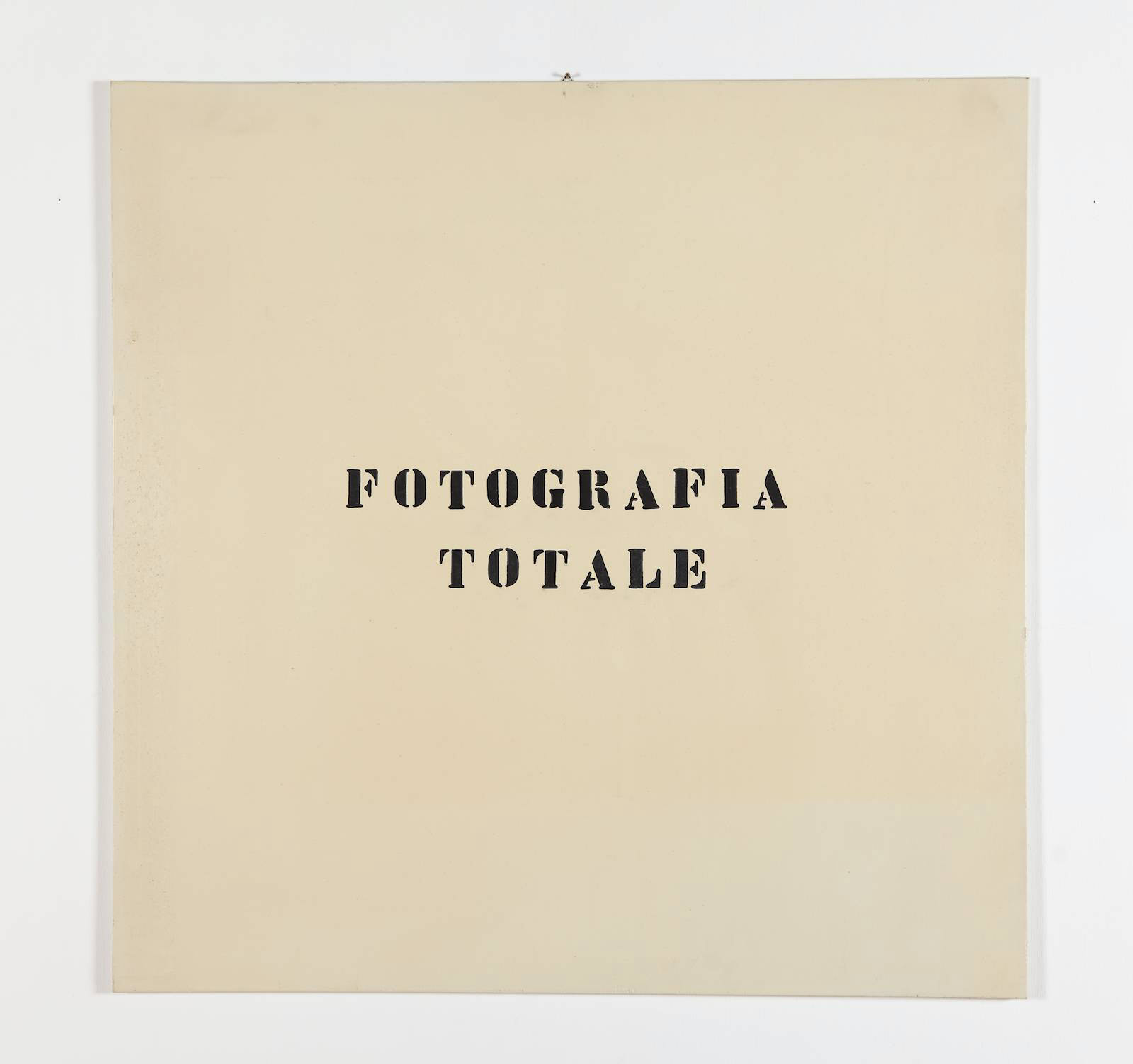
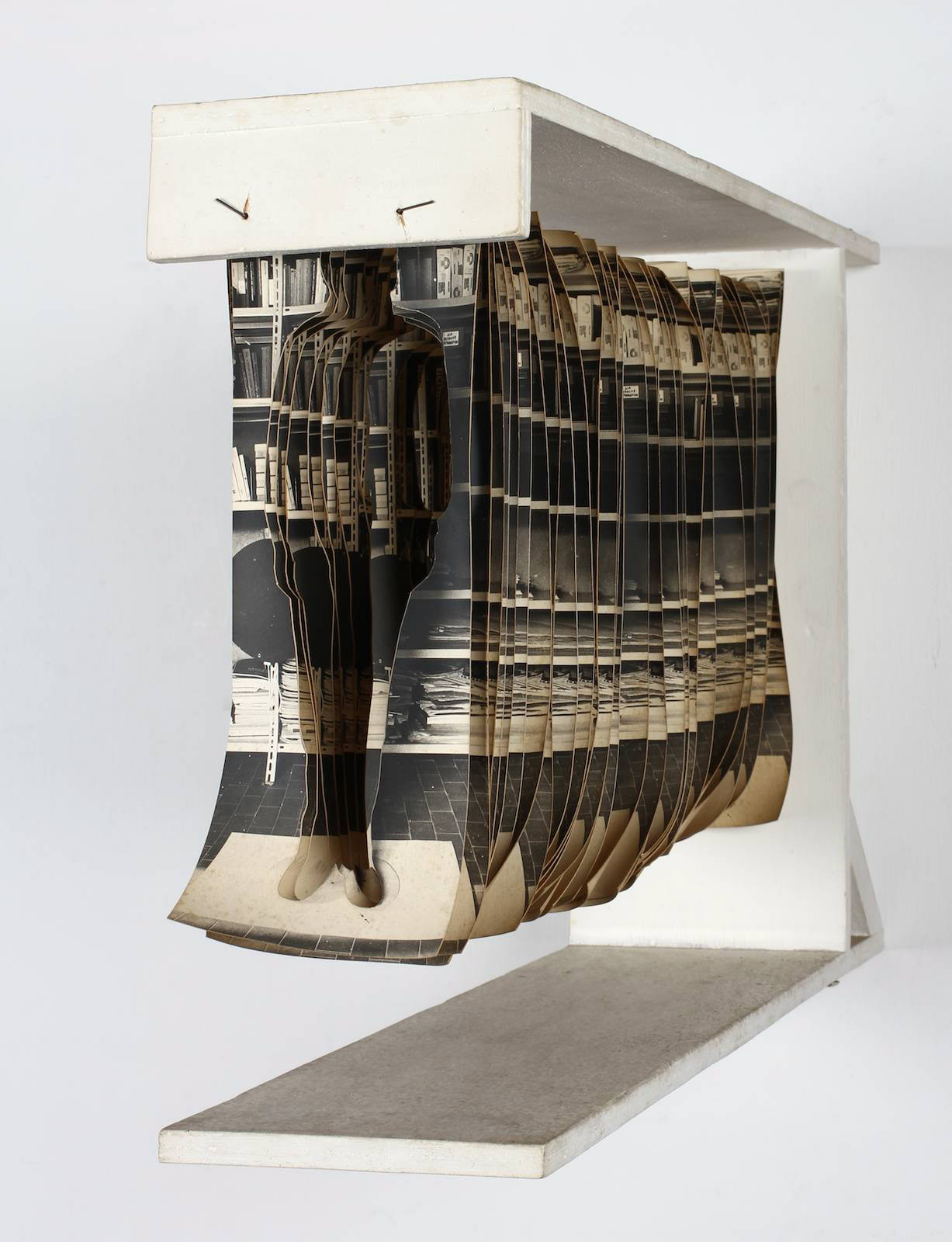
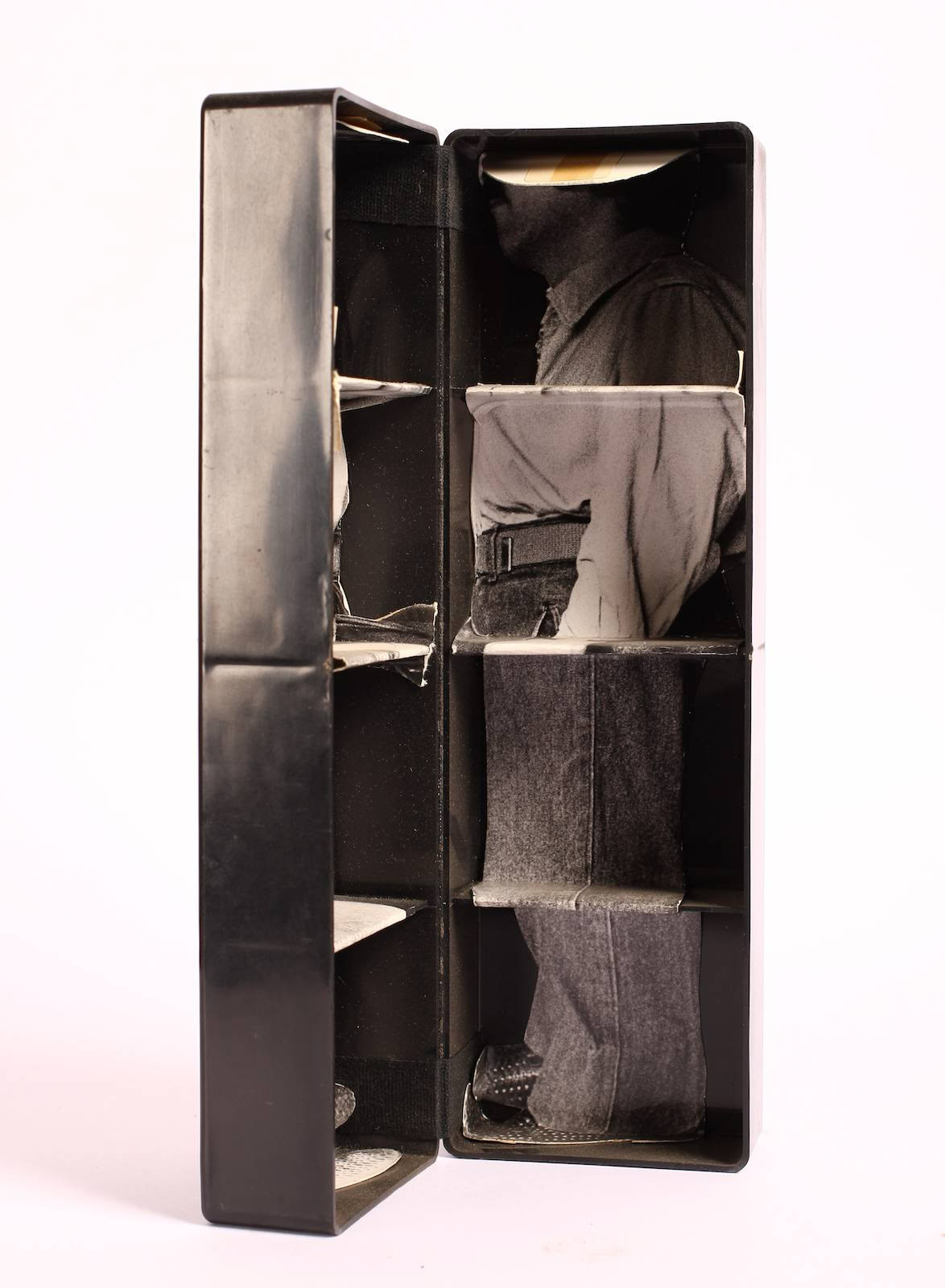
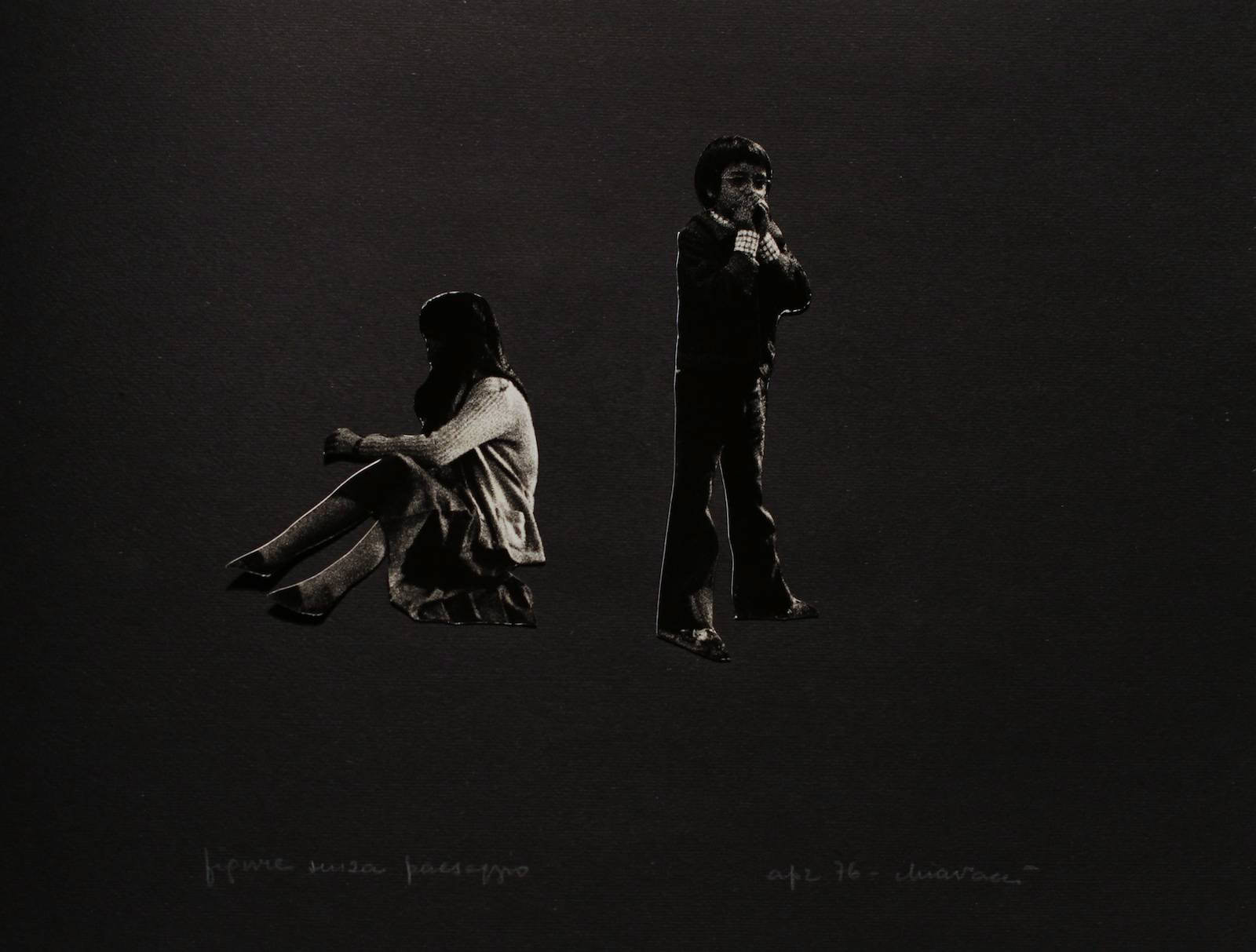
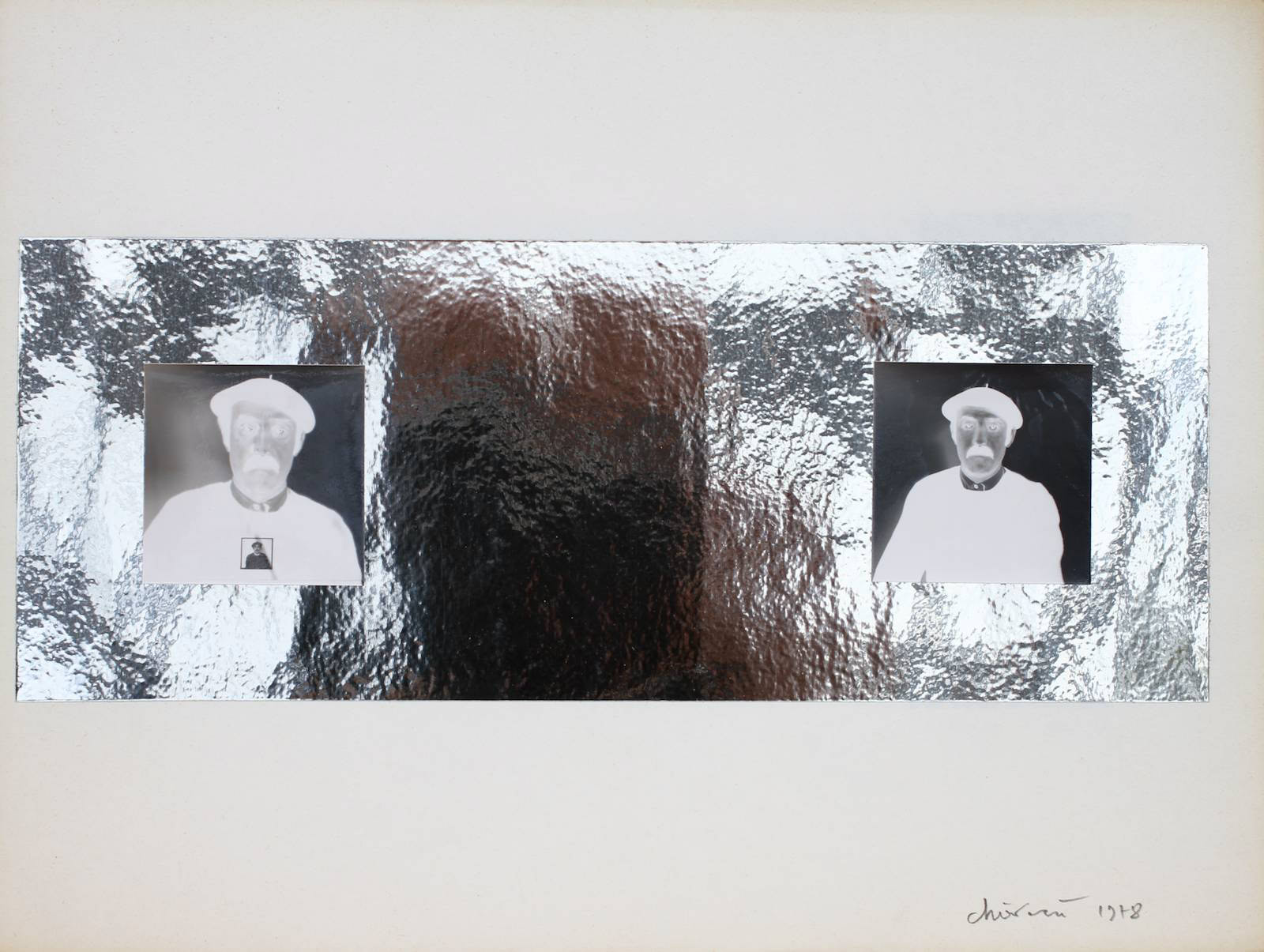
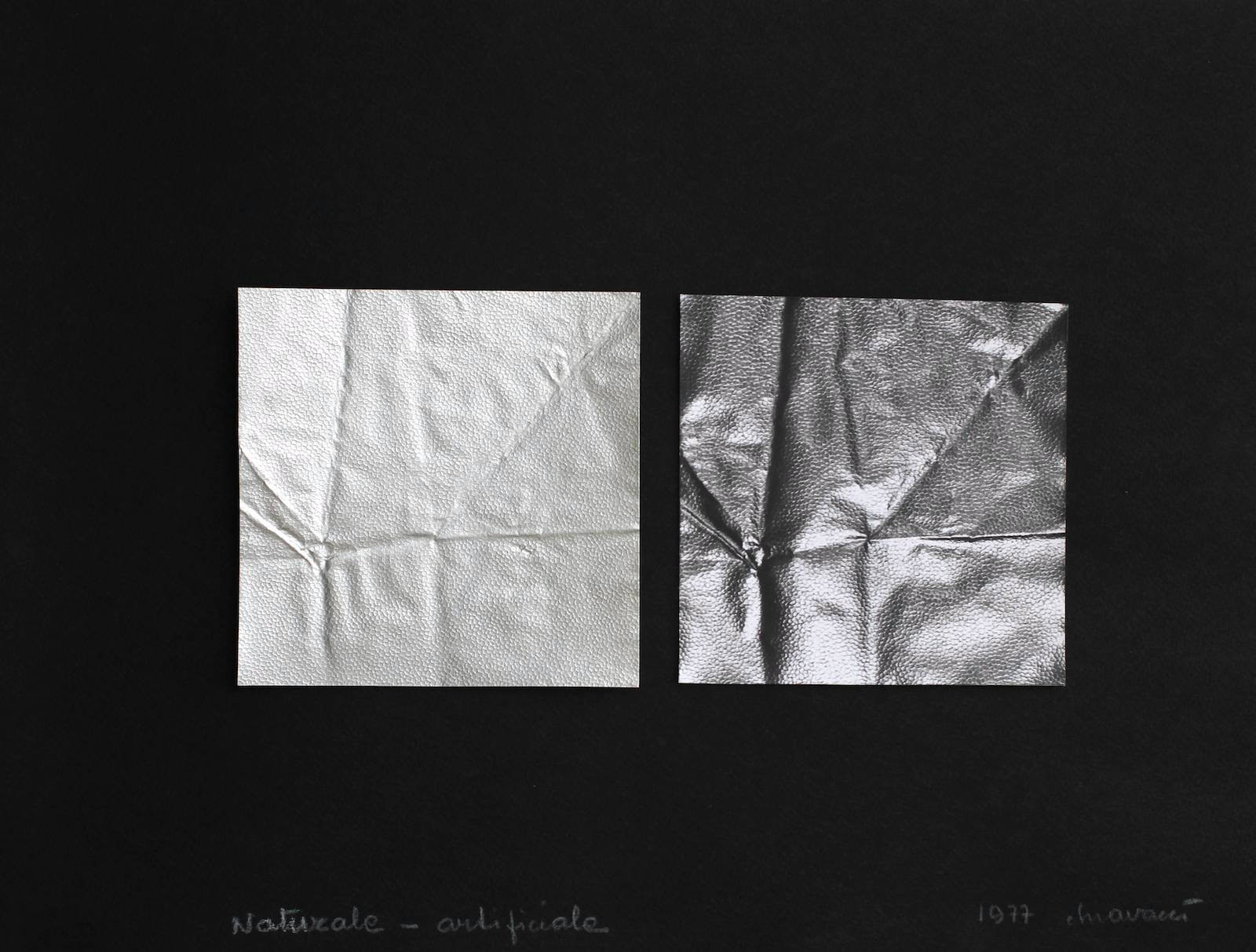
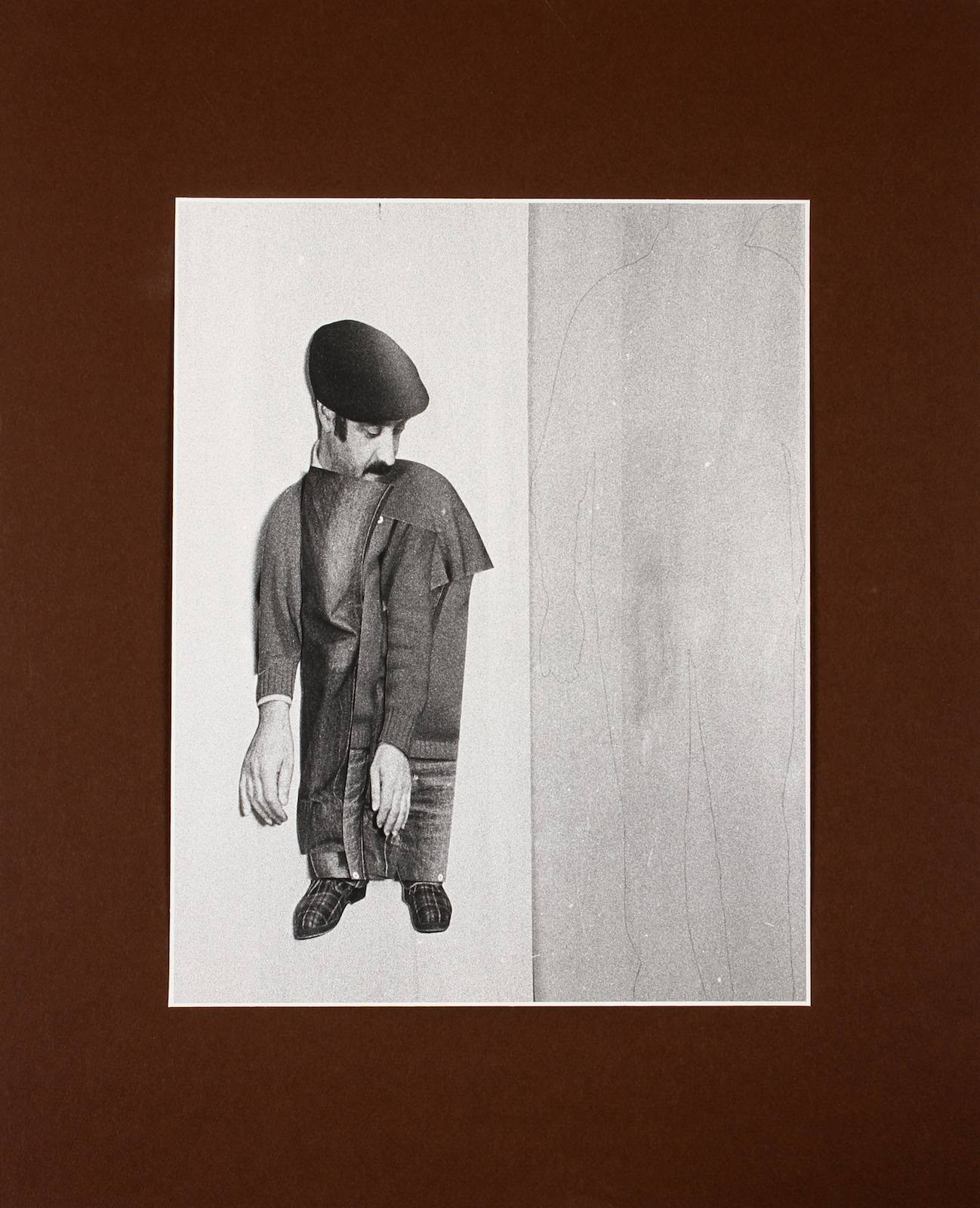
The 1970s were, for Chiavacci, a period of extraordinary intensity: from this research emerged a theoretical awareness of broader scope — that of the three-dimensionality of photography (today it is worth specifying: analog photography), the result of the erosion of a photosensitive layer caused by the combined action of light and chemical developing agents. It was starting from this awareness, combined with an increasingly conceptual understanding of the photographic medium, that in 1975 Chiavacci created Pulisci scarpe (Shoe Wiper): a three-dimensional work consisting of a silver-salt photographic print of a metal doormat placed on a floor in the city center, where the object’s outline is incised and raised to bring out the third dimension — not only of the object depicted, but of the photograph itself. It is a hinge-work, with an extremely powerful impact on all subsequent production: it soon opens the way to the season of photographic sculptures and leads Chiavacci to conceive of painting itself as the act of placing material onto a surface — an increasingly conscious perception of pictorial matter, which in those years would in fact take on the consistency of a compound of wood sawdust and vinyl paint, a true photosensitive pictorial material.
Photogramma, stampa vintage su carta ai sali d'argento, 1968.
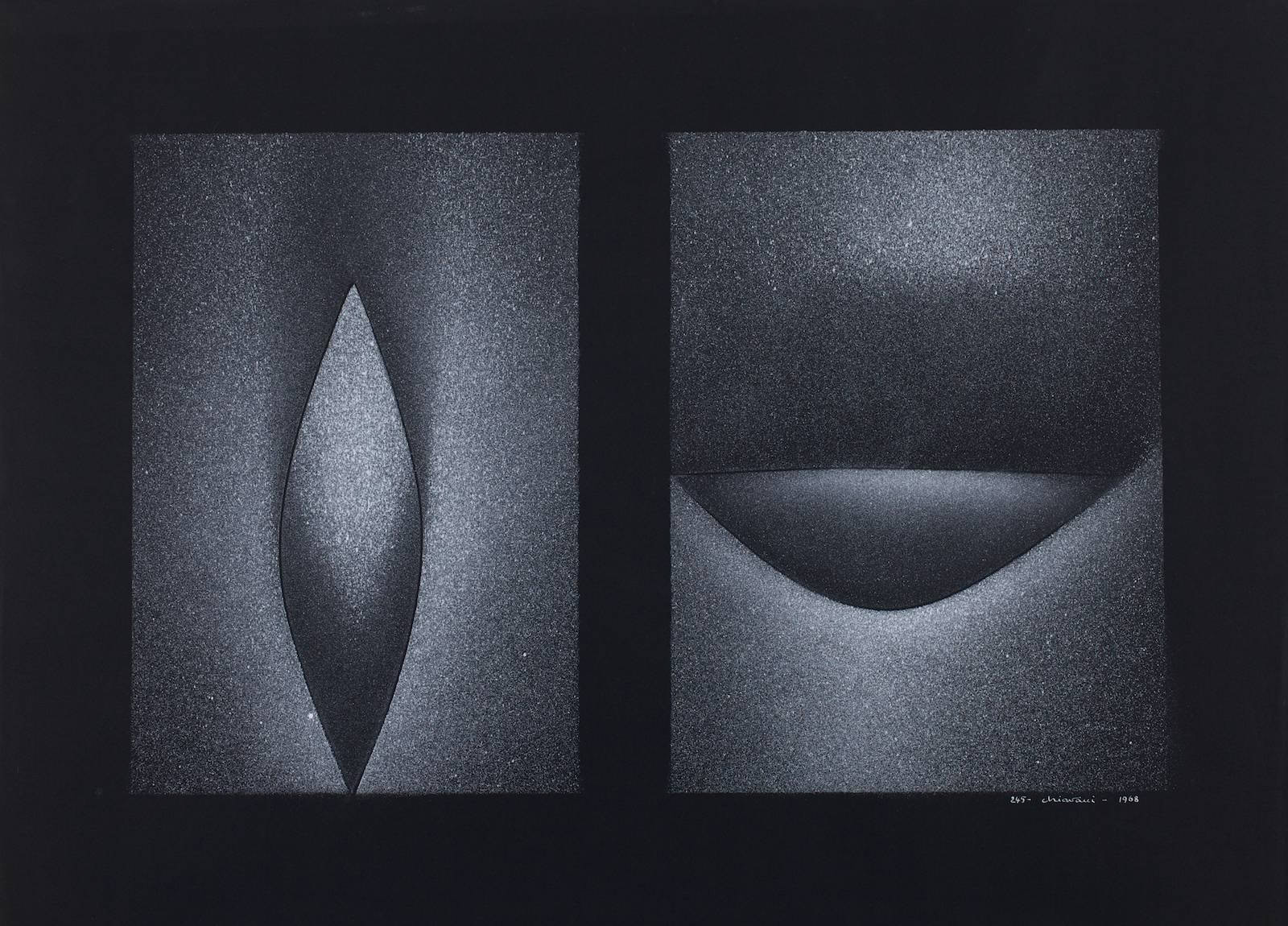
Aerografoma, colore a spruzzo su carta, 1968.
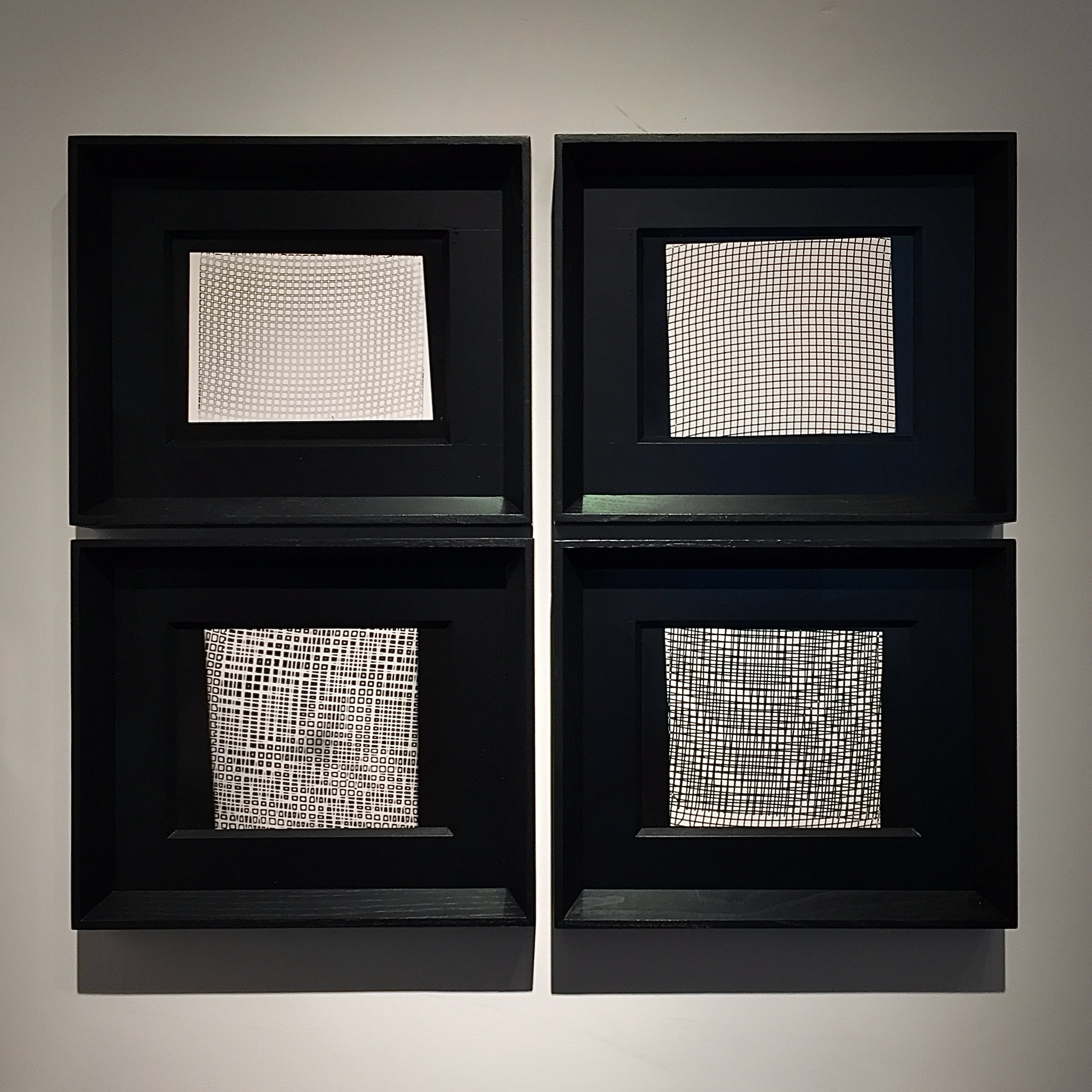
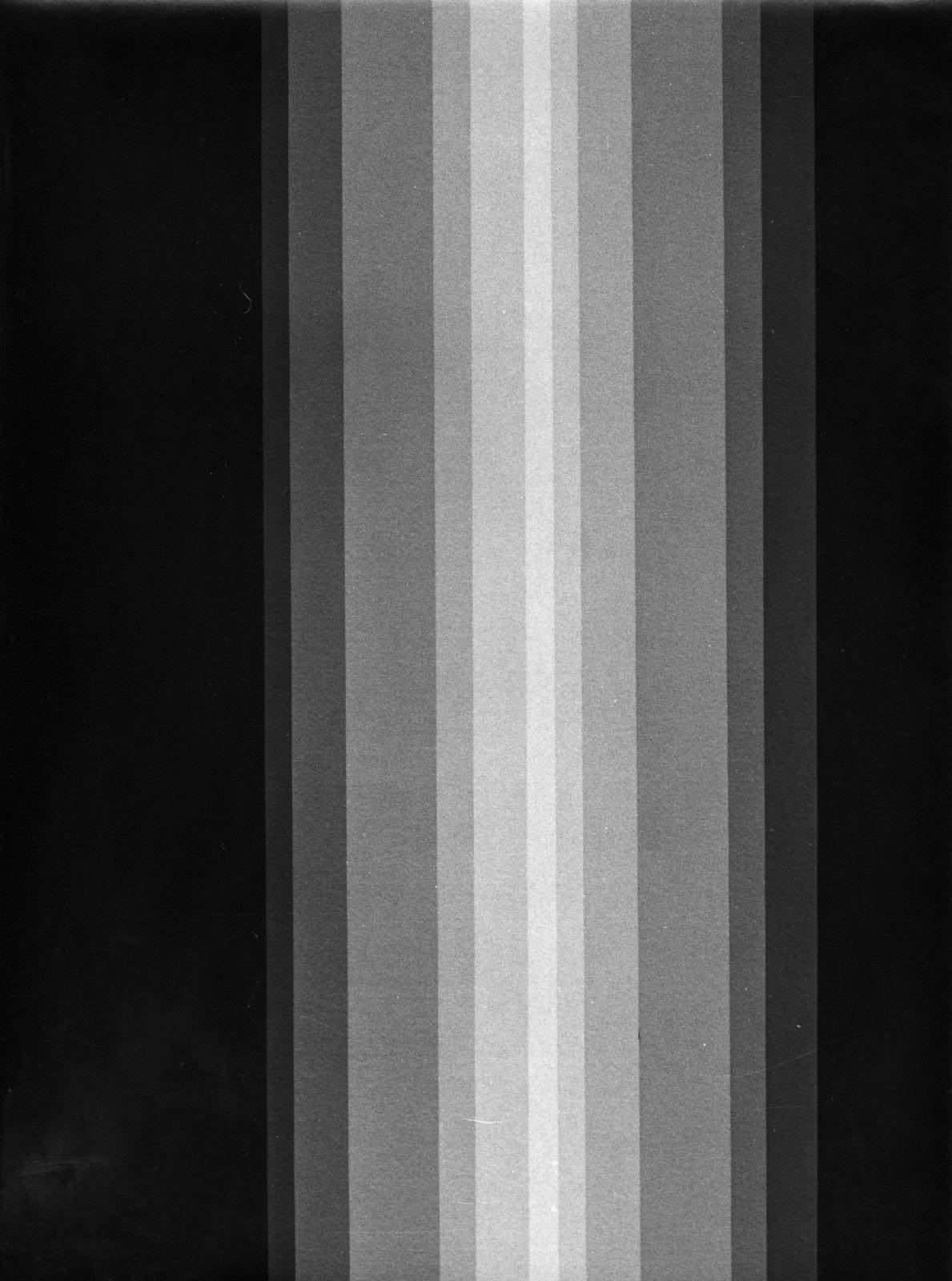
Quattro Photogrammi di reticoli, stampa vintage ai sali d'argento, 1970.
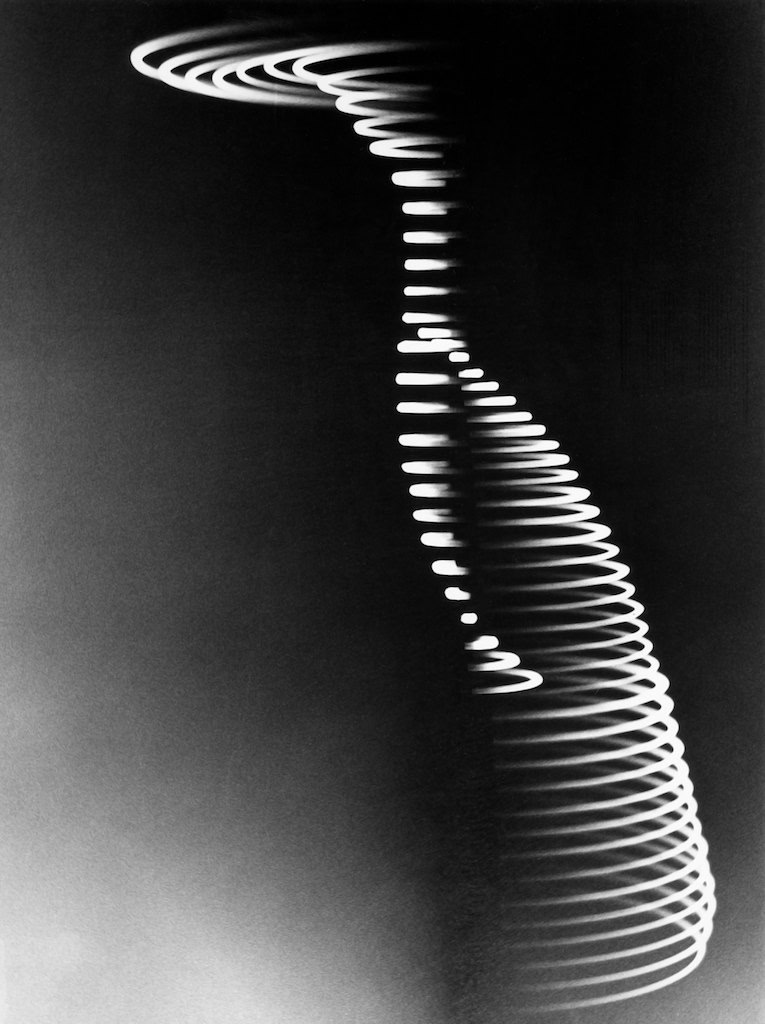
Ricerche fotografiche,
stampe vintage ai sali d'argento, 1971-1973.
Primasculturafotografica, Il Pulisci scarpe, 1975.